What did AI actually solve?
AI did not replace the person reading the heart scan. It made the first pass more reliable, then handed the decision back to a cardiologist—which is exactly the kind of quiet improvement that can make healthcare work better.
What changed
Echocardiograms depend on a deceptively simple number: the heart's ejection fraction, or how much blood the left ventricle pushes out with each beat. Small measurement differences can affect diagnoses, medicines, and whether a patient qualifies for certain procedures.
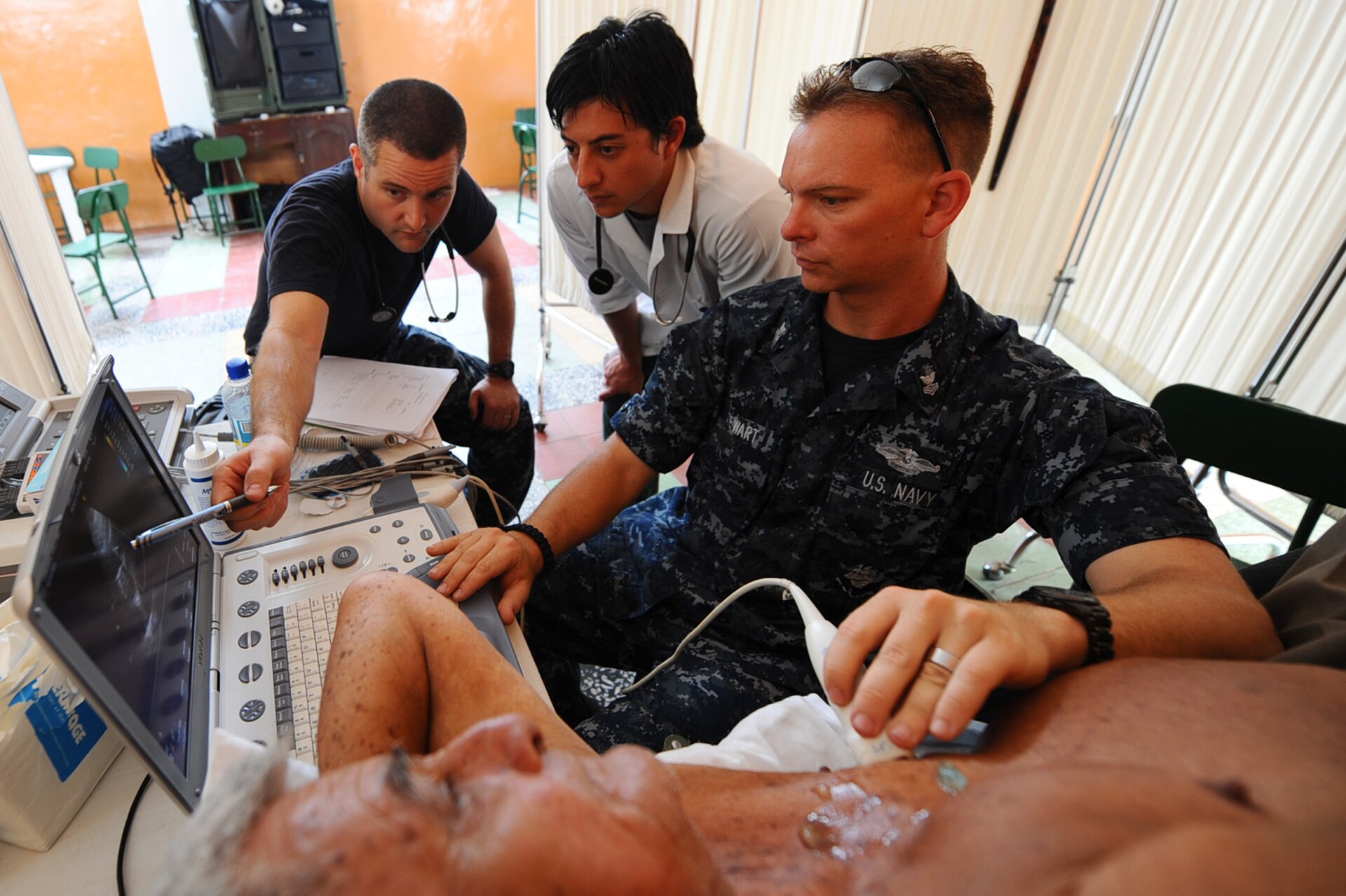
Researchers randomly assigned 3,495 heart scans to receive a first measurement from either AI or a sonographer. Reviewing cardiologists made a substantial change in 16.8% of AI drafts, compared with 27.2% of sonographer drafts. The AI-first workflow also saved time for both sonographers and cardiologists. 01 / Source noteBlinded, randomized trial of sonographer versus AI cardiac function assessmentNature · 2023What the source supportsBlinded randomized trial · 3,495 echocardiogramsKeep in mindThe trial tested one heart measurement at expert centers. It did not prove that AI improved long-term patient outcomes, and it does not cover every judgment inside an echocardiogram.Read the original source ↗
What this could change for you
The useful version of this technology is a dependable first draft. A clinician still reviews the scan, but starts from a measurement that was more consistent in this trial and required fewer major corrections.
For patients, that could mean faster reports and less variation between readers. For hospitals, it could give skilled staff more time for the difficult parts of an exam: capturing good images, noticing unusual anatomy, and explaining what comes next.
From research to everyday use
Can you use this yet?
This brief describes research in a specific clinical setting. Use in your care depends on the equipment, local approvals, and clinical team; the study alone does not establish that it is available or appropriate for you.
Check the study’s limitsWhat it does not prove
The trial tested one heart measurement at expert centers. It did not prove that AI improved long-term patient outcomes, and it does not cover every judgment inside an echocardiogram.
AI can still be wrong, especially when images are poor or anatomy is unusual. The study's safety came from keeping a cardiologist in the final review loop.
Primary research
Blinded, randomized trial of sonographer versus AI cardiac function assessment
Nature · 2023 · DOI 10.1038/s41586-023-05947-3