What does this aictually change for me? ;)

Fun · 5 min read · Promising evidence

AI Solved Why Sleep Reminders Backfire.

In a randomized field experiment on a major short-video platform, a celebrity sleep-reminder campaign shown between 1 a.m. and 5 a.m. increased late-night usage 14.75% and overall platform usage 2.18%, with elevated usage persisting for weeks after the campaign ended.

01.

What changed

We read the primary research and isolate the result that is genuinely new.

02.

What it means for you

We translate the technical result into the decision, service, or experience it may change.

03.

What it does not prove

Every brief names the limits before the original paper—not in fine print after the hype.

Read our standards →
The useful part of progress

Browse what changed

AI Solved Why Sleep Reminders Backfire.

In a randomized field experiment on a major short-video platform, a celebrity sleep-reminder campaign shown between 1 a.m. and 5 a.m. increased late-night usage 14.75% and overall platform usage 2.18%, with elevated usage persisting for weeks after the campaign ended.

Promising evidenceSee what changed →
AI Solved Online Returns.

In a 117,304-session randomized field experiment at a European fashion retailer, checkout prompts about the environmental cost of returns reduced return shipments 2.6% without hurting sales; an AI targeting model suggested a 5.19% reduction versus no nudging by prompting only the shoppers most likely to respond.

Strong evidenceSee what changed →
AI Solved More Developer Tasks.

In three randomized company experiments covering 4,867 software developers, access to an AI coding assistant increased completed tasks by an estimated 26.08%, with larger gains and higher adoption among less-experienced developers.

Strong evidenceSee what changed →

AI Solved Oversize Shipping Boxes.

In a large-scale randomized Alibaba warehouse experiment, a human-centric packing algorithm cut switches to larger boxes on targeted packages from 29.5% to 23.8% and reduced average packing time by 4.5%.

Strong evidenceSee what changed →

AI Solved Chatbot Misunderstandings.

In a randomized field experiment covering 1,352 real chatbot misunderstandings at a large insurer, a collaborative repair strategy raised the odds that the conversation would get back on track and reduced abandonment and negative feedback.

Strong evidenceSee what changed →

AI Solved Shopping in Your Language.

In a six-day randomized field experiment with 12,635 new users on an Indian mobile-commerce app, a bilingual Hindi-English chatbot increased purchase odds by up to 87% but also raised uninstall hazard by about 76%, with the downside concentrated in more complex purchases.

Strong evidenceSee what changed →

AI Solved Online Sales Chats.

In a peer-reviewed two-by-two randomized field experiment with 1,090 observations, giving human e-commerce sales agents AI augmentation increased sales by 5.46%, and the least-experienced agents benefited nearly six times as much.

Strong evidenceSee what changed →

AI Solved Creative Teamwork.

In a randomized Pairit study of 2,234 participants producing 11,024 ads, human-AI teams created 50% more ads per worker and better text, but human-human teams chose better images, and those tradeoffs carried into a field test that generated more than 4.9 million impressions on X.

Promising evidenceSee what changed →

AI Solved Shopping Questions.

In seven randomized field experiments on a cross-border ecommerce platform, GenAI improved sales in most workflows; the strongest pre-sale chatbot raised sales 16.3% and conversion 21.7%, and the positive deployments together implied about $5 in annual value per consumer.

Promising evidenceSee what changed →

AI Solved Vending Overstock.

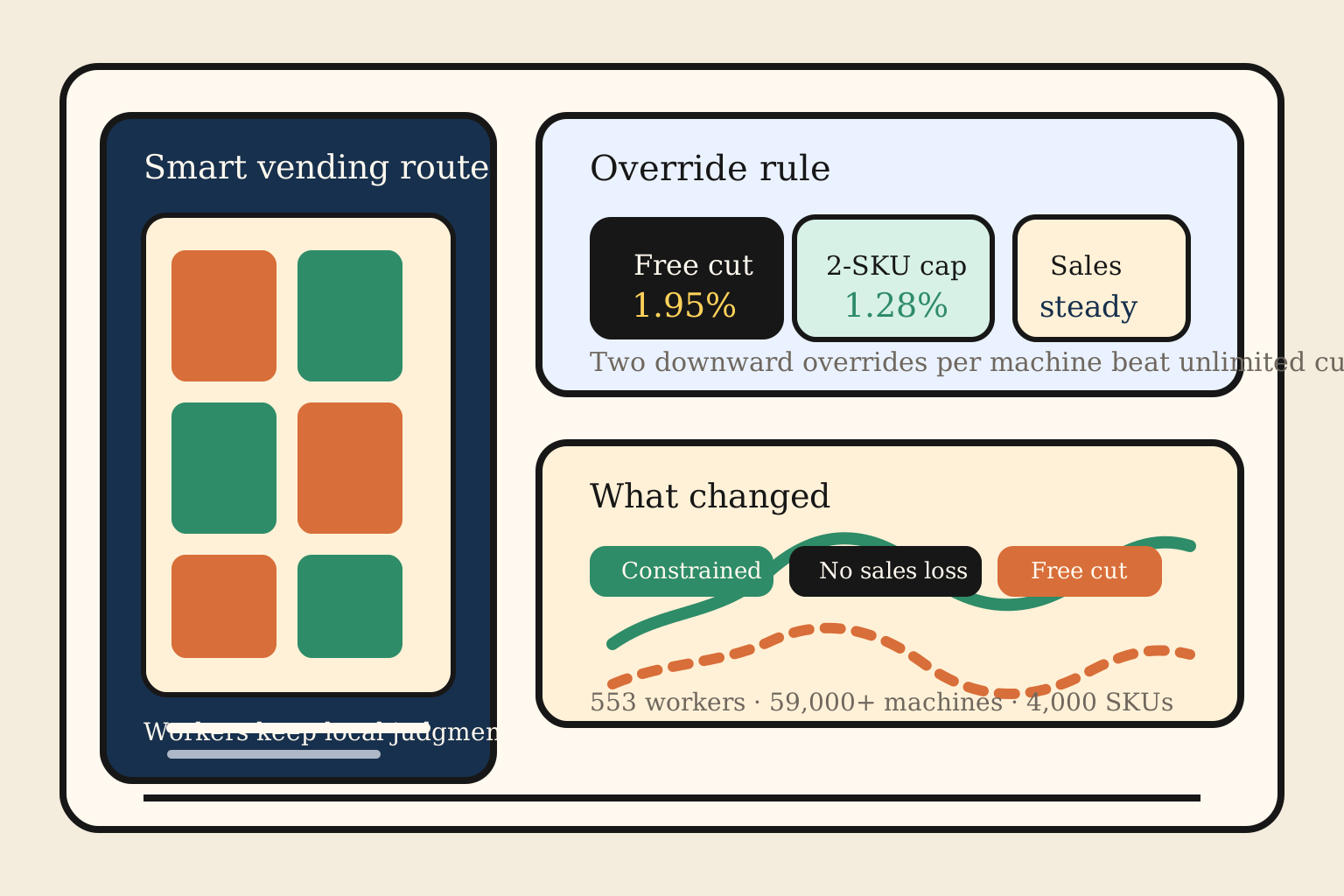
In a randomized field experiment involving 553 workers managing more than 59,000 smart vending machines and 4,000 SKUs, limiting downward overrides to two SKUs per machine cut inventory 1.28% without reducing sales, whereas unrestricted overrides cut inventory 1.95% but reduced sales 1.19%.

Promising evidenceSee what changed →

AI Solved Product Search.

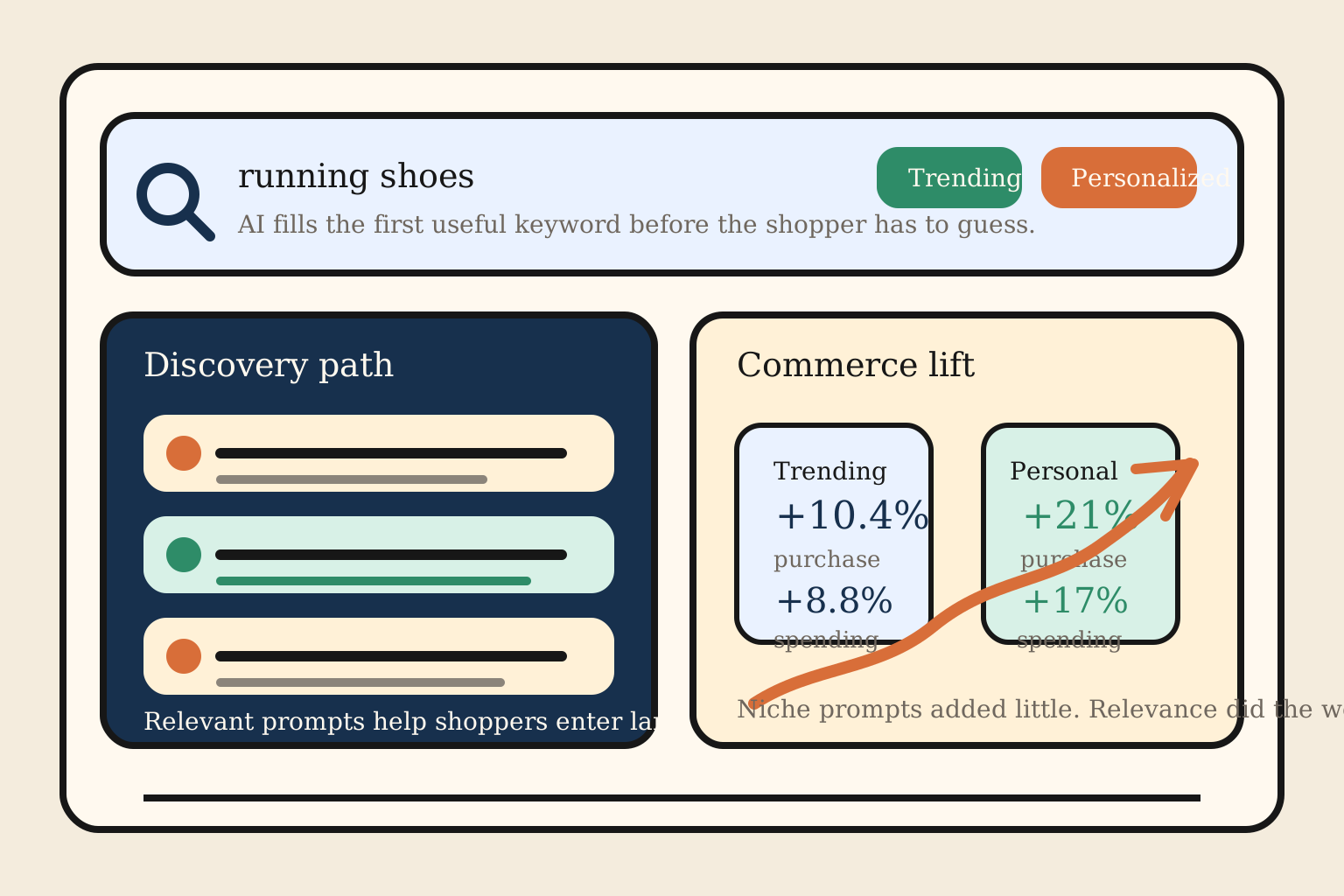
In a randomized field experiment involving 72,587 consumers on a large ecommerce platform, trending prefilled search keywords raised purchase incidence by 10.4% and spending by 8.8%, while personalized keywords lifted them by 21.0% and 17.0%.

Strong evidenceSee what changed →

AI Solved Retail Demand Forecasts.

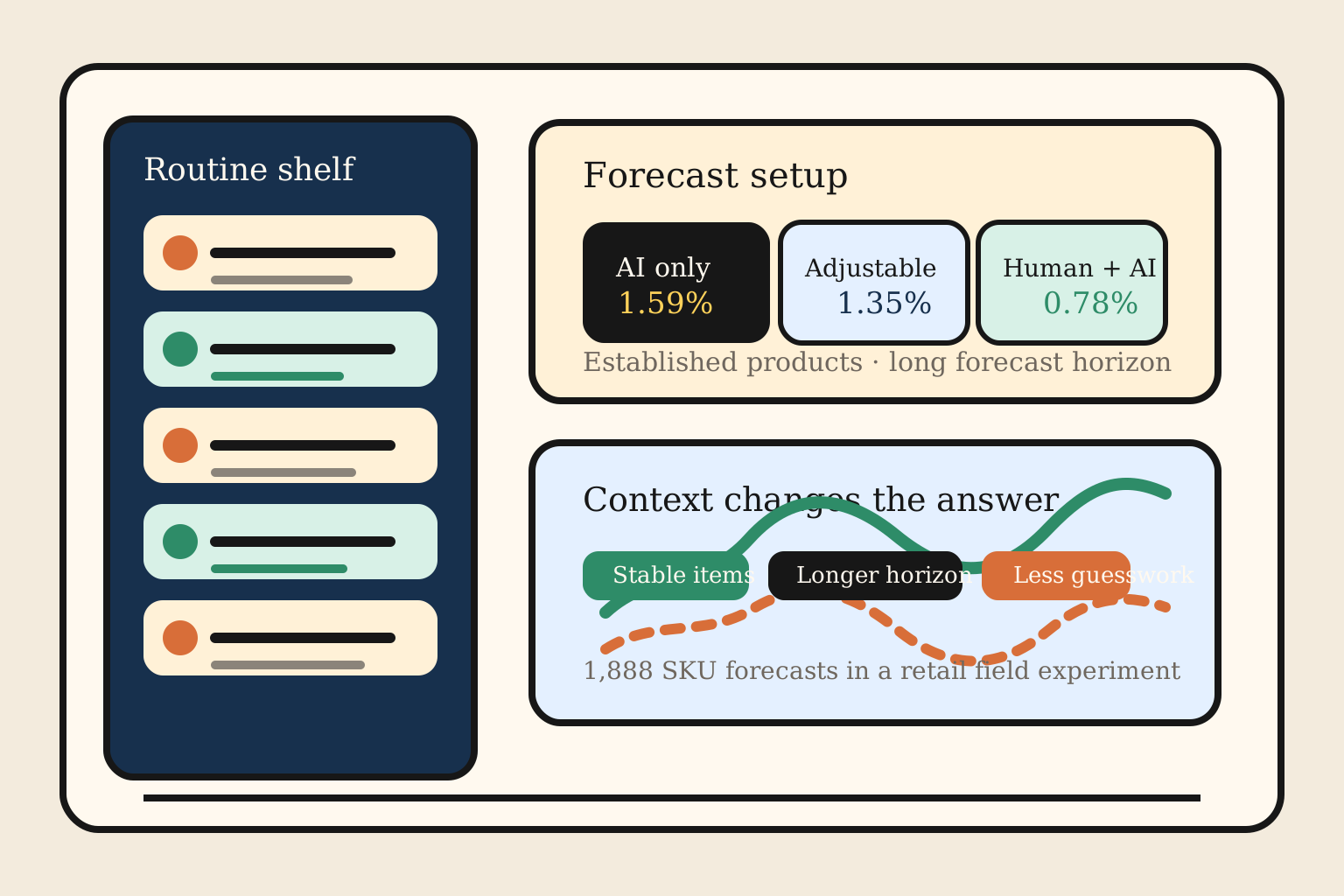
In a retail field experiment covering about 1,888 SKU forecasts, fully automated AI performed best for innovative products and short-term forecasts, but for established products over longer horizons, human augmentation cut forecast error from 1.59% to 0.78%.

Strong evidenceSee what changed →

AI Solved Slow Customer Support.

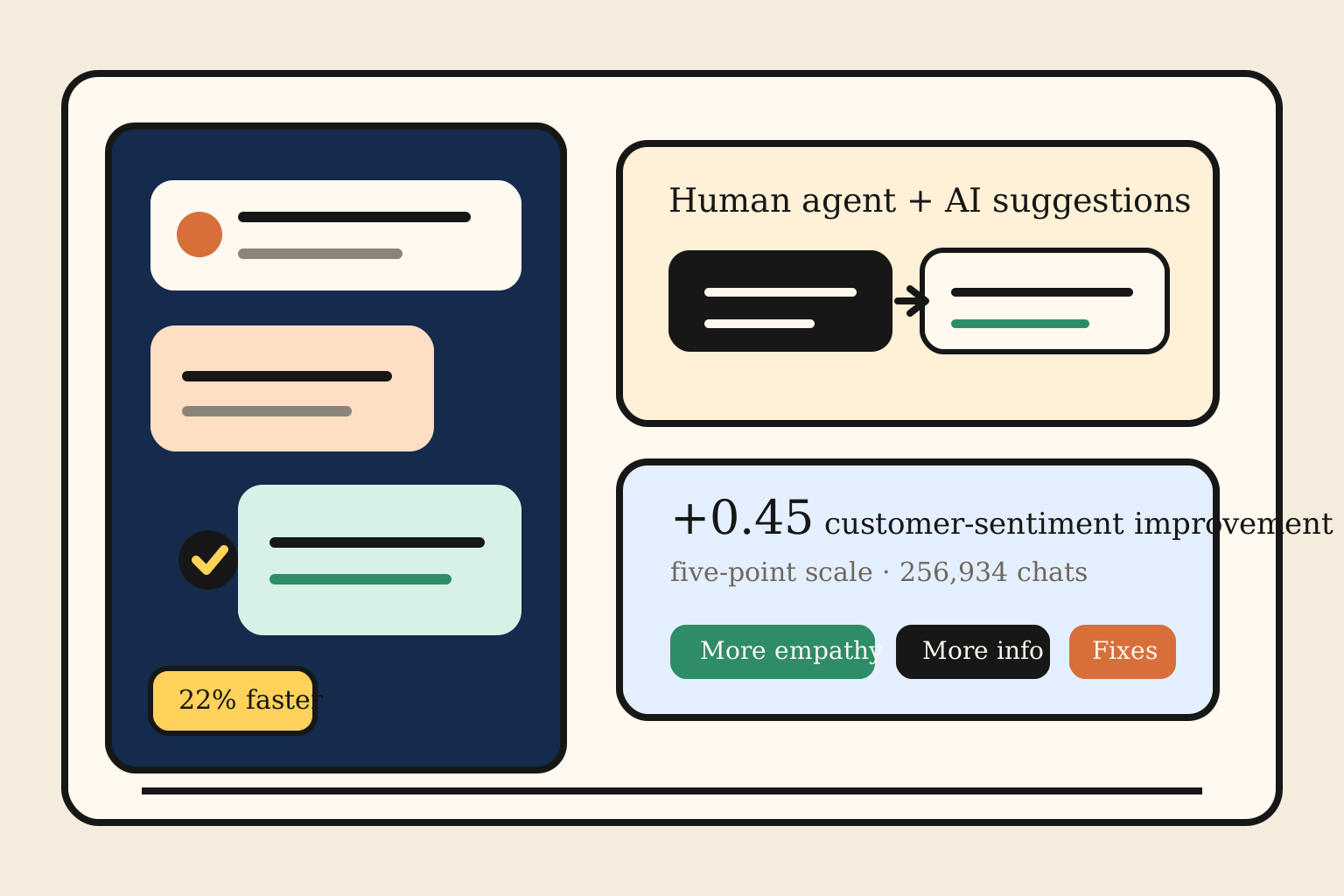
In a randomized field experiment at a meal delivery company, giving some human support agents AI-generated reply suggestions cut response times by 22% and raised customer-sentiment improvement by 0.45 points on a five-point scale across 256,934 chats.

Strong evidenceSee what changed →

AI Solved Creative Block at Work.

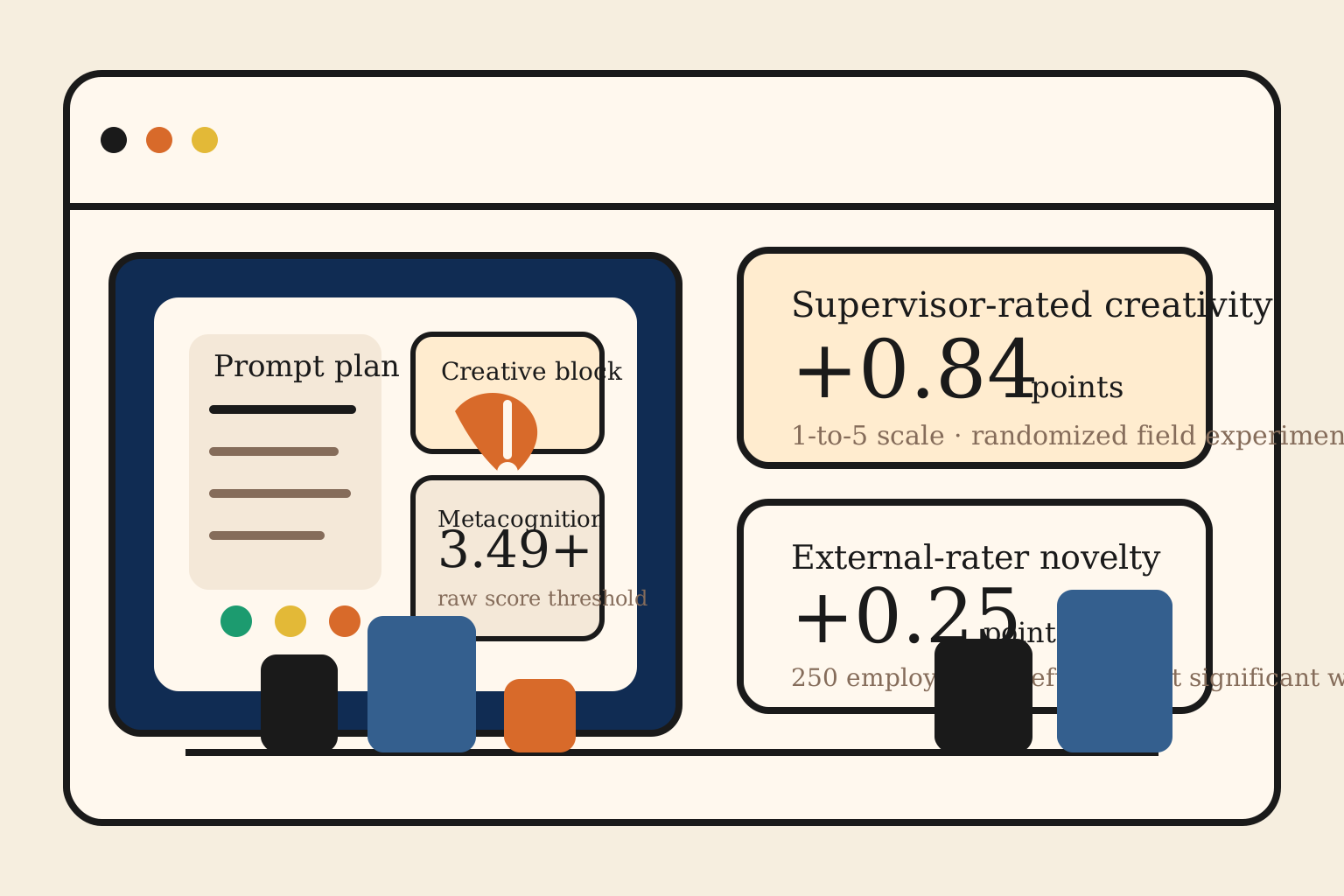
In a randomized field experiment with 250 employees at a Chinese technology consulting firm, giving workers ChatGPT accounts raised supervisor-rated creativity by 0.84 points on a 1-to-5 scale and external-rater novelty by 0.25 points, but the gains were concentrated among employees with stronger metacognitive strategies.

Strong evidenceSee what changed →

AI Solved Finding Taxi Riders.

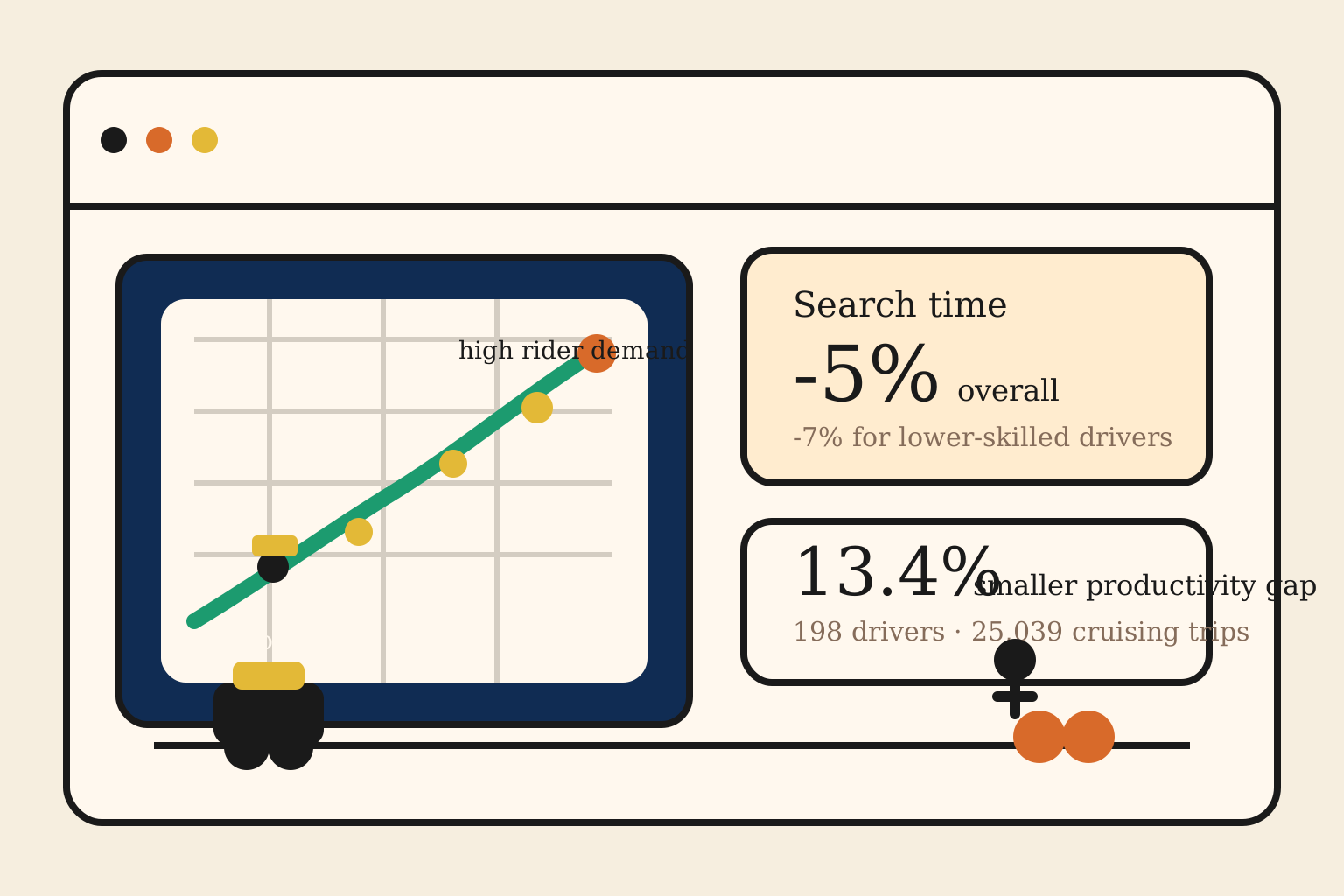
In a peer-reviewed field study of a 29-day free trial among Yokohama taxi drivers, turning on a machine-learning route-suggestion tool cut customer-search time by about 5% overall and 7% for lower-skilled drivers, narrowing the productivity gap between high- and low-skilled drivers by 13.4%.

Strong evidenceSee what changed →

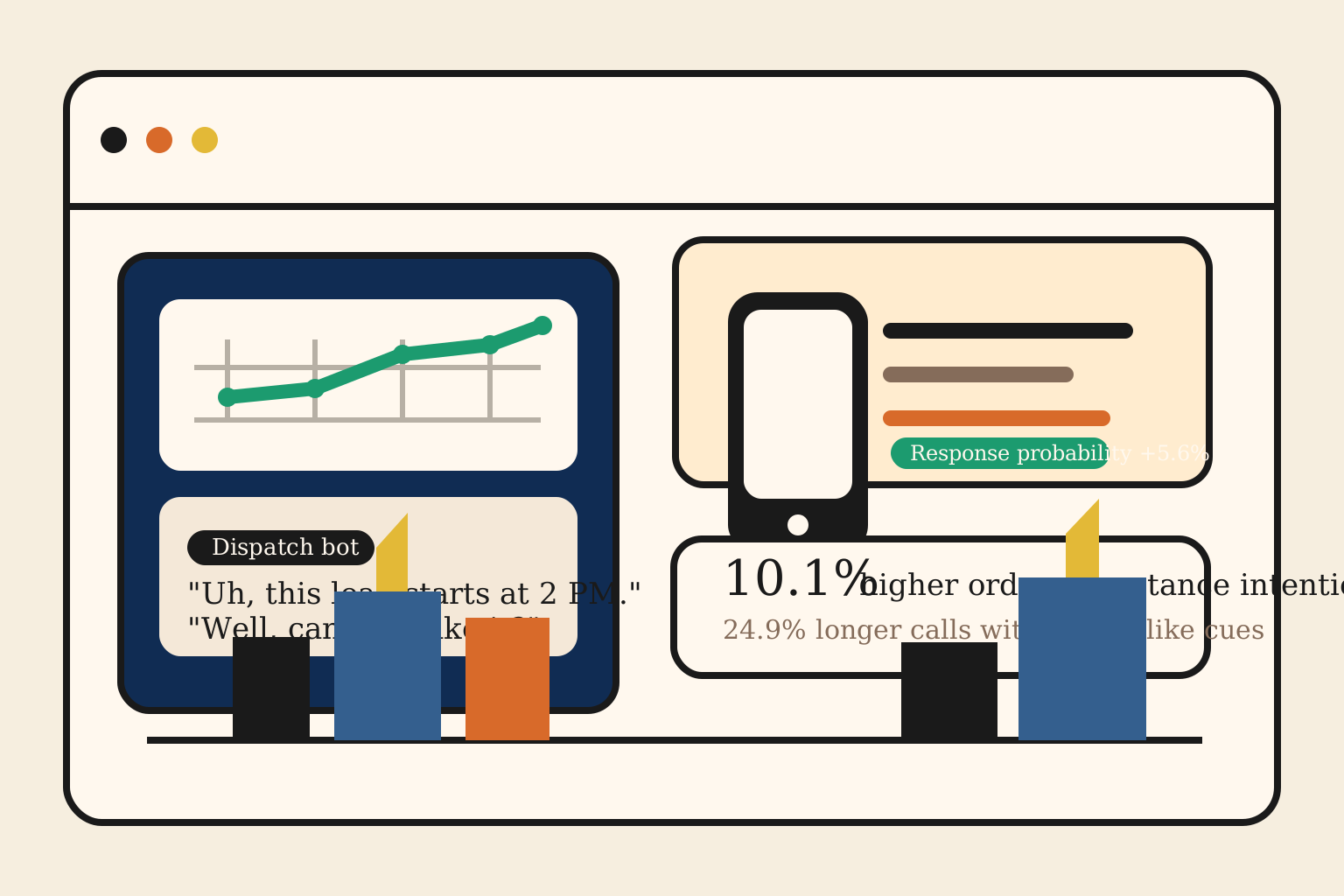
AI Solved Dispatch Calls.

In a randomized field experiment on a large Chinese truck-sharing platform, adding human-like interjections and filler words to a voice dispatch chatbot increased driver response probability by more than 5.6%, lengthened calls by 24.9%, and raised order-acceptance intention by 10.1%, while upfront bot disclosure cut response probability by around 11%.

Strong evidenceSee what changed →

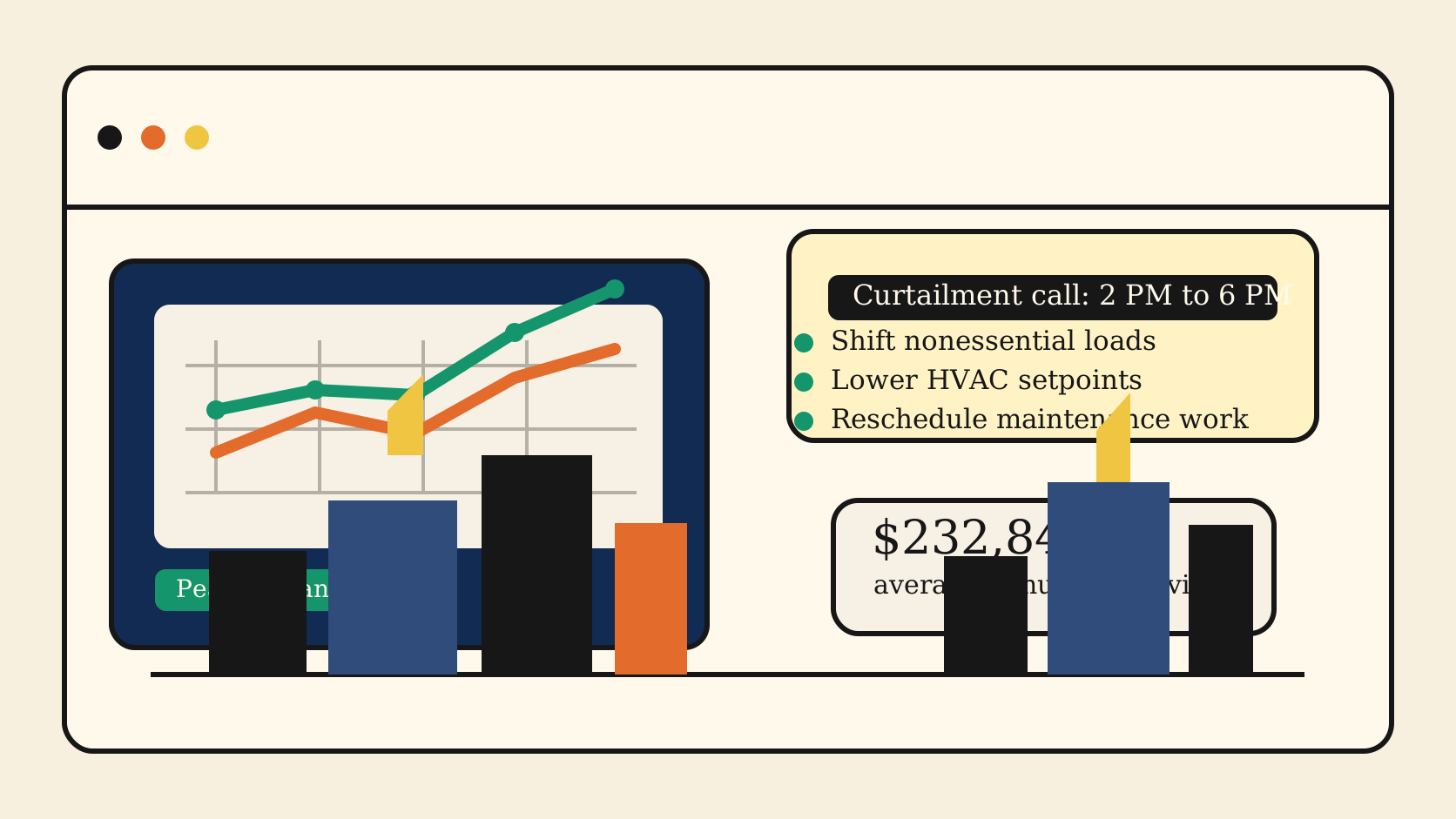
AI Solved Peak-Power Bills.

In a multiphase study of large organizations in Ontario's critical-peak pricing program, neural-network demand forecasting plus planning-prompt curtailment emails reduced peak-hour energy use by 42.13% versus a self-managed baseline and produced average annual net savings of $232,843 per organization.

Strong evidenceSee what changed →

AI Solved Live Shopping Returns.

In a randomized field experiment on a leading livestream selling platform, giving shoppers an AI assistant increased sales by 3.00% and cut product return rates by 12.55%, suggesting better answers during checkout can reduce uncertainty instead of merely pushing more purchases.

Strong evidenceSee what changed →

AI Solved Shipping Code.

Across three randomized workplace experiments involving 4,867 developers at Microsoft, Accenture, and a Fortune 100 manufacturer, access to GitHub Copilot increased completed software tasks by an estimated 26.08% among users, with larger gains for newer and more junior developers.

Strong evidenceSee what changed →

AI Solved Working Across Silos.

In a preregistered field experiment with 791 Procter & Gamble professionals tackling real product-development problems, GPT-4 raised solo workers' solution quality by about 0.37 standard deviations and helped them match the performance of two-person teams without AI.

Strong evidenceSee what changed →

AI Solved Knowledge Work.

In a preregistered randomized experiment with 758 BCG consultants, GPT-4 made suitable business tasks more than 25% faster and 32% higher-quality, but cut correctness by 19 percentage points on a task built around a misleading data pattern.

Strong evidenceSee what changed →

AI Solved Making AI Fit the Worker.

In a 5.5-year field experiment with 72 pharmaceutical sales experts, tailoring work procedures, decision authority, training, and incentives to employees' cognitive styles increased daily meetings by more than 40%; an untailored rollout cut them by about 20%.

Strong evidenceSee what changed →

AI Solved How to Work With AI.

In a preregistered experiment with 269 workers, people who drafted first and used AI to edit felt as confident, connected, and purposeful as people who worked alone; copying AI output did not.

Strong evidenceSee what changed →

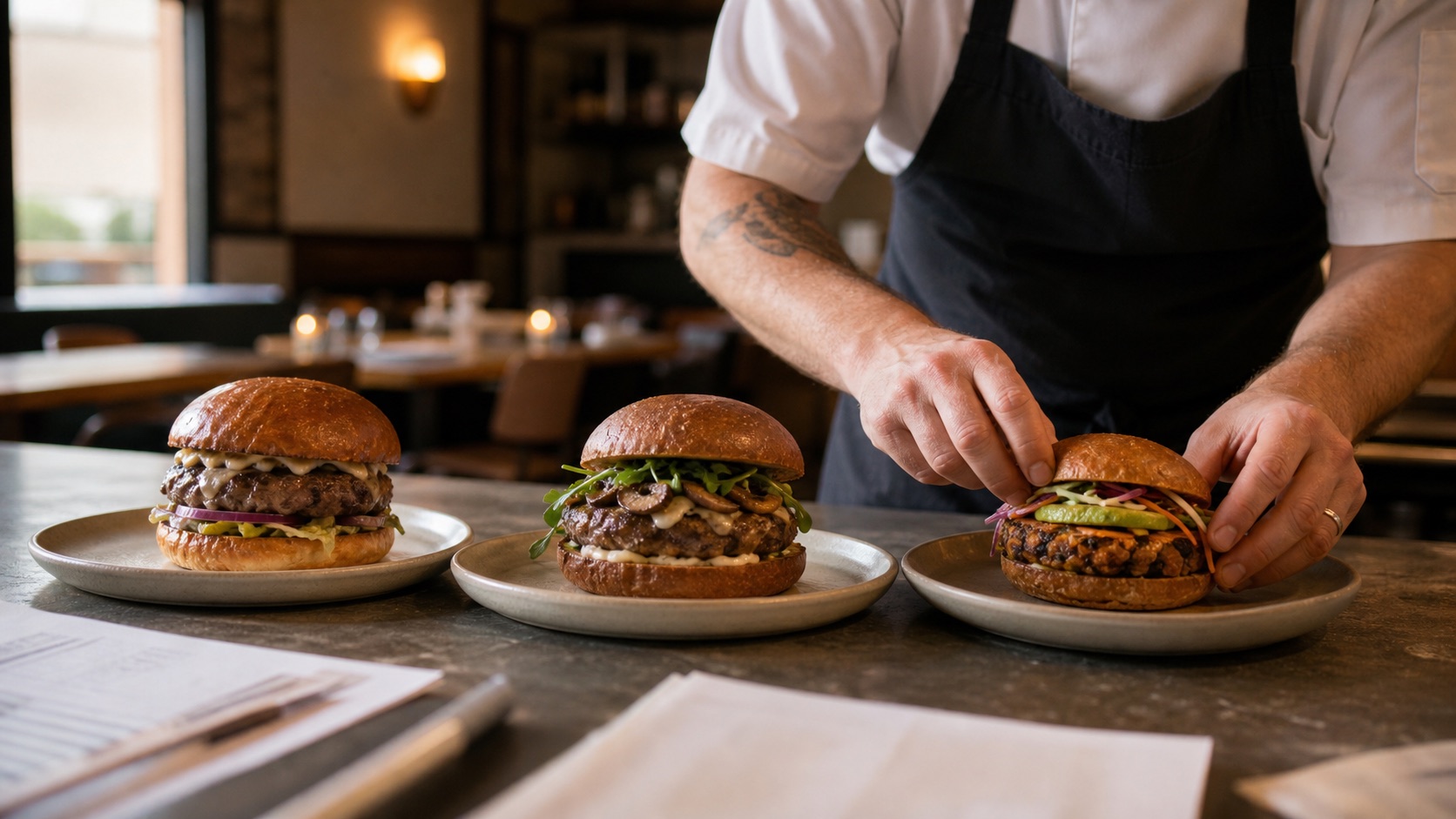
AI Solved a Better Burger.

A model trained on 2,216 recipes designed two burgers that 101 blind tasters rated as highly as or higher than an original Big Mac for flavor, texture, or overall liking.

Strong evidenceSee what changed →

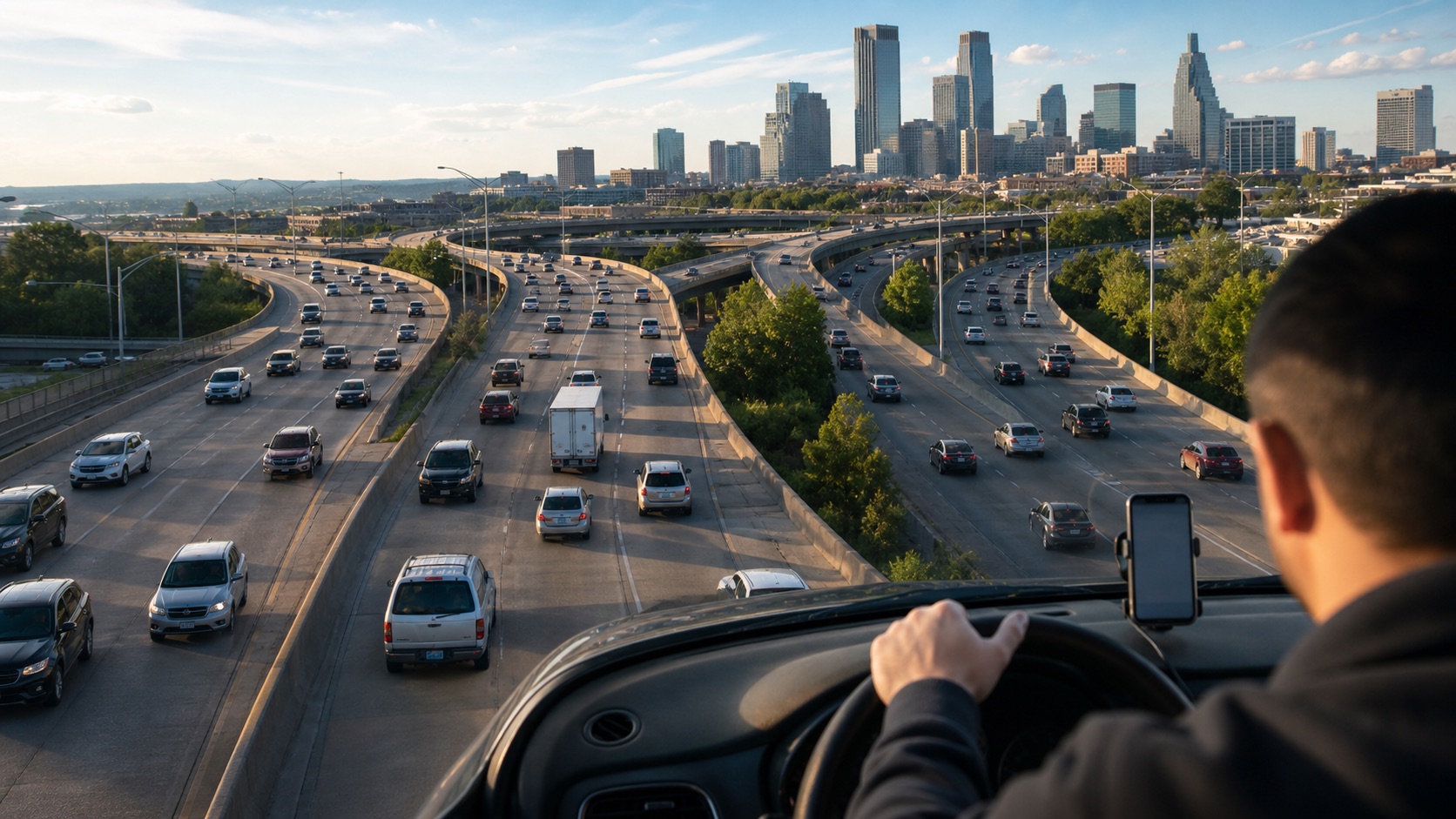
AI Solved City Traffic.

In a six-month experiment across 10 U.S. cities, changing route recommendations for fewer than 2% of observed Google Maps trips cut affected trips’ total travel time by a median 0.69%.

Strong evidenceSee what changed →