What did AI actually solve?
AI made one of nature's oldest pleasures more accessible: hearing a voice and knowing who made it. The science is useful precisely because the experience is fun enough that millions of people want to participate.
What changed
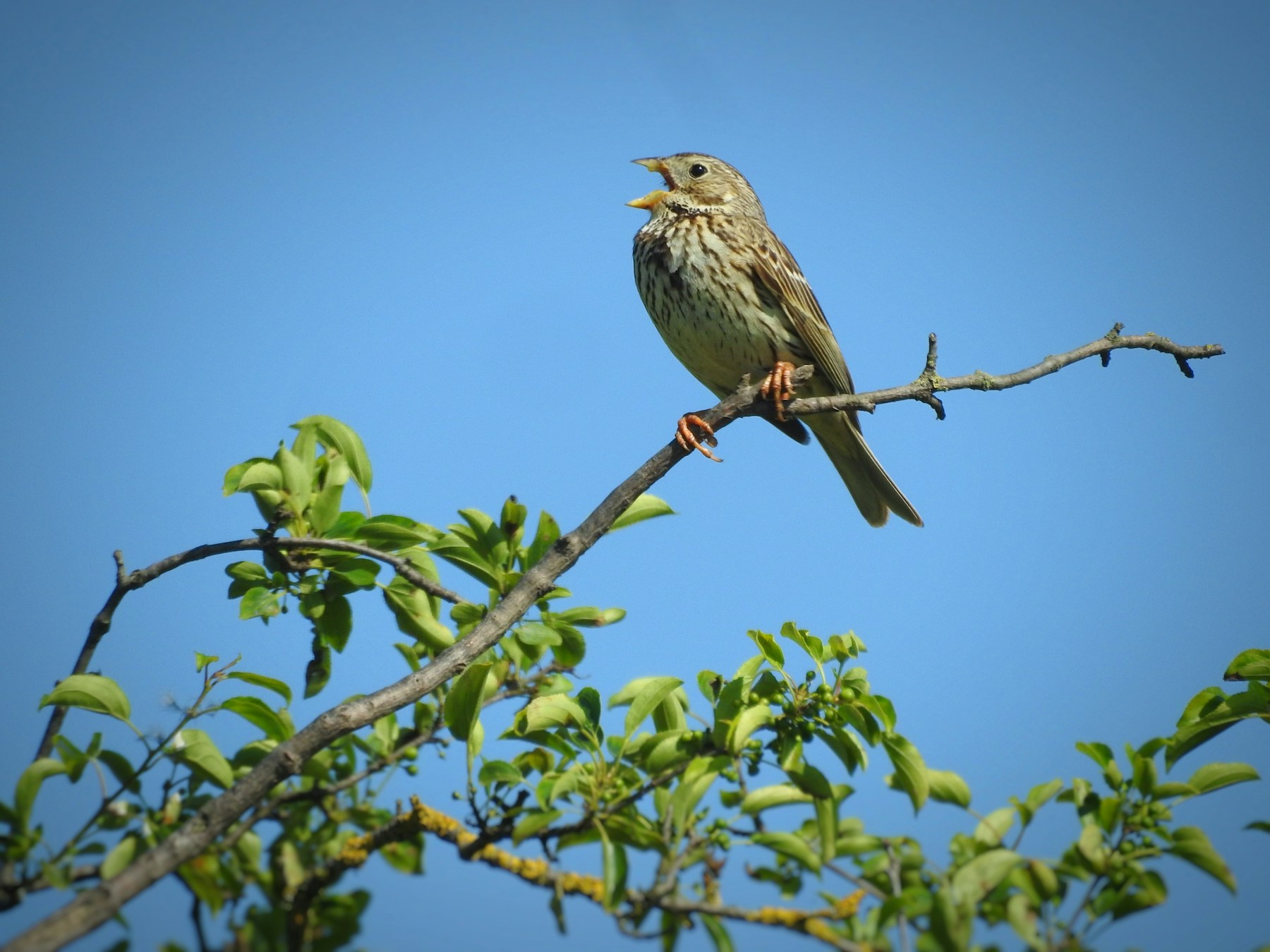
Identifying a bird by sound once meant memorizing calls or finding an expert. BirdNET lets a person record a few seconds on a phone, then uses location and date alongside the audio to suggest which species is singing.
The research team analyzed more than 31 million submissions collected in 2020. After strict quality filters, 5.8 million observations remained—enough to reproduce four well-known ecological patterns involving range, migration, time of day, and landscape. 01 / Source noteThe machine learning-powered BirdNET App reduces barriers to global bird research by enabling citizen science participationPLOS Biology · 2022What the source supportsGlobal citizen-science analysis · millions of recordingsKeep in mindThe app can be wrong, and a confident suggestion is not the same as expert confirmation. Background noise, rare species, imitations, and overlapping calls remain difficult.Read the original source ↗
What this could change for you
For a curious person, the payoff is immediate: the anonymous chirp outside the kitchen window becomes a species with a name, a range, and a story. That tiny moment of recognition can make a familiar place feel new.
For scientists, those moments add up. Audio-first participation can bring in people who do not know bird identification yet, creating a different stream of observations alongside established birding programs.
Try it yourself
Put a name to a nearby bird
Use the BirdNET app or its browser demo to explore the sounds around you.
- Open the official BirdNET page and choose the app or browser demo.
- Record a short bird call without talking over it, then analyze the recording with the tool.
- Listen again and compare the suggested species with the sounds and birds around you.
What to watch for: Treat the identification as a suggestion. Noise and overlapping calls can confuse it; avoid recording private conversations.
Open BirdNET ↗Suggested activity. Official guidance checked .
What it does not prove
The app can be wrong, and a confident suggestion is not the same as expert confirmation. Background noise, rare species, imitations, and overlapping calls remain difficult.
Citizen-science submissions are presence-only and unevenly distributed: people record where they happen to be. The data need careful filtering and cannot by themselves measure how many birds are absent from a place.
Primary research
The machine learning-powered BirdNET App reduces barriers to global bird research by enabling citizen science participation
PLOS Biology · 2022 · DOI 10.1371/journal.pbio.3001670