What did AI actually solve?
AI turned a desert-scale haystack into a workable field list, and archaeologists turned that list into 303 real discoveries. It is a rare AI story that feels both technologically modern and unmistakably human.
What changed
The Nazca desert is vast, the figures can be faint, and aerial photographs contain far more ground than archaeologists can inspect one patch at a time. Researchers trained AI to flag likely relief-type geoglyphs, then went into the field to check the candidates rather than treating a computer score as a discovery.
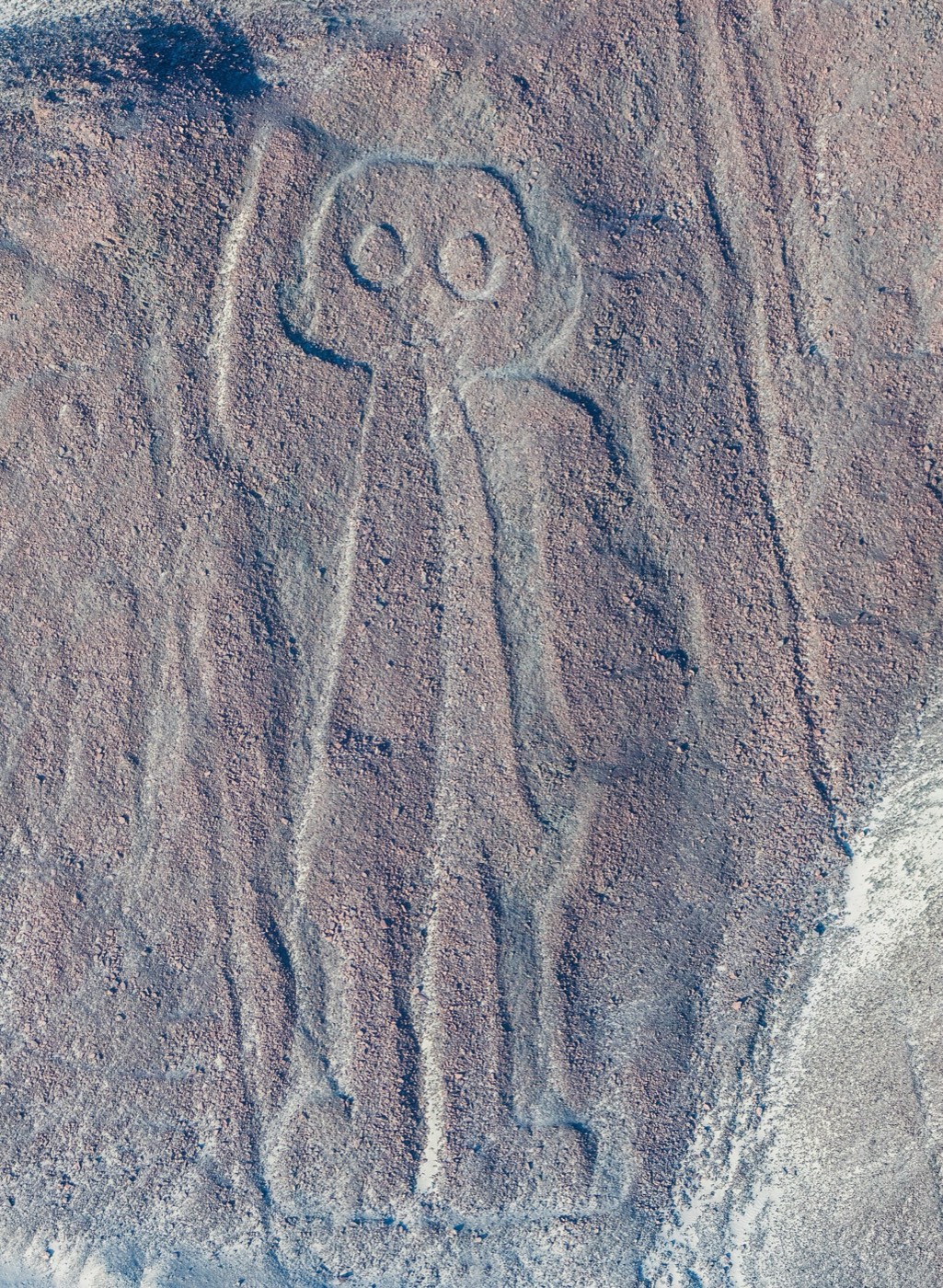
That partnership uncovered 303 previously unknown figurative geoglyphs in six months. The finds nearly doubled the known set of this smaller, harder-to-see type and included people, heads, domestic animals, and scenes of human-animal interaction. 01 / Source noteAI-accelerated Nazca survey nearly doubles the number of known figurative geoglyphs and sheds light on their purposeProceedings of the National Academy of Sciences · 2024What the source supportsAI-guided field survey · 303 discoveries confirmed on siteKeep in mindThe AI generated candidates, not archaeological truth. Every reported geoglyph still required field inspection, and interpretation remains a human scholarly debate.Read the original source ↗
What this could change for you
AI did something wonderfully concrete: it helped people notice ancient pictures that had been sitting in open terrain for roughly two millennia. The discovery also gave archaeologists enough examples to see where different kinds of images appeared and how people may have encountered them.
This is a strong model for cultural discovery. Machines narrow the search; experts verify the object, preserve its context, and decide what it means.
From research to everyday use
Can you use this yet?
AI helped researchers choose where to look; archaeologists still confirmed the discoveries in the field. This is specialist survey work rather than a consumer discovery app.
Check the study’s limitsWhat it does not prove
The AI generated candidates, not archaeological truth. Every reported geoglyph still required field inspection, and interpretation remains a human scholarly debate.
Finding more figures does not reveal exactly who made them, what every image meant, or why particular people used them. It expands the evidence rather than closing the case.
Primary research
AI-accelerated Nazca survey nearly doubles the number of known figurative geoglyphs and sheds light on their purpose
Proceedings of the National Academy of Sciences · 2024 · DOI 10.1073/pnas.2407652121