What did AI actually solve?
AI did not solve freight logistics. It solved a narrower but very real operations problem: getting drivers to answer and stay on a dispatch call long enough to consider the job. In a randomized field experiment with about 11,000 drivers, transparent bot disclosure reduced response, but a more human-sounding dispatch bot recovered ground and improved acceptance intention. The honest takeaway is that conversational design can make automation more usable in repetitive logistics outreach, even when the organization keeps the automation visible.
What changed
This paper studies a routine logistics problem that rarely gets treated as an AI story: a freight platform has to reach drivers quickly, explain a load, and get a reliable answer before the opportunity disappears. Voice bots are attractive because they scale, but they also raise a practical tension. Some organizations want or need to disclose that a caller is a bot, and that transparency can make people less willing to engage.
The researchers partnered with a large truck-sharing platform in China and randomized outbound dispatch calls across about 11,000 truck drivers. The core design features were simple. In some calls, the system disclosed at the start that the caller was a chatbot dispatcher. In others, the bot also used anthropomorphic speech features such as interjections and filler words that made the conversation sound more like a human dispatcher. 01 / Source noteIdentity Disclosure and Anthropomorphism in Voice Chatbot Design: A Field ExperimentManagement Science · 2026What the source supportsMain result: Bot disclosure cut response probability by around 11%; anthropomorphic speech features raised response probability by over 5.6% and order-acceptance intention by 10.1%Keep in mindThis was one platform, one country, and one kind of task. The drivers were receiving outbound calls from a freight-dispatch chatbot, not dealing with a medical line, a bank, or a customer-service bot. The result may depend on the language, the market, the type of workers being contacted, and the norms around freight assignments on that specific platform.Read the original source ↗
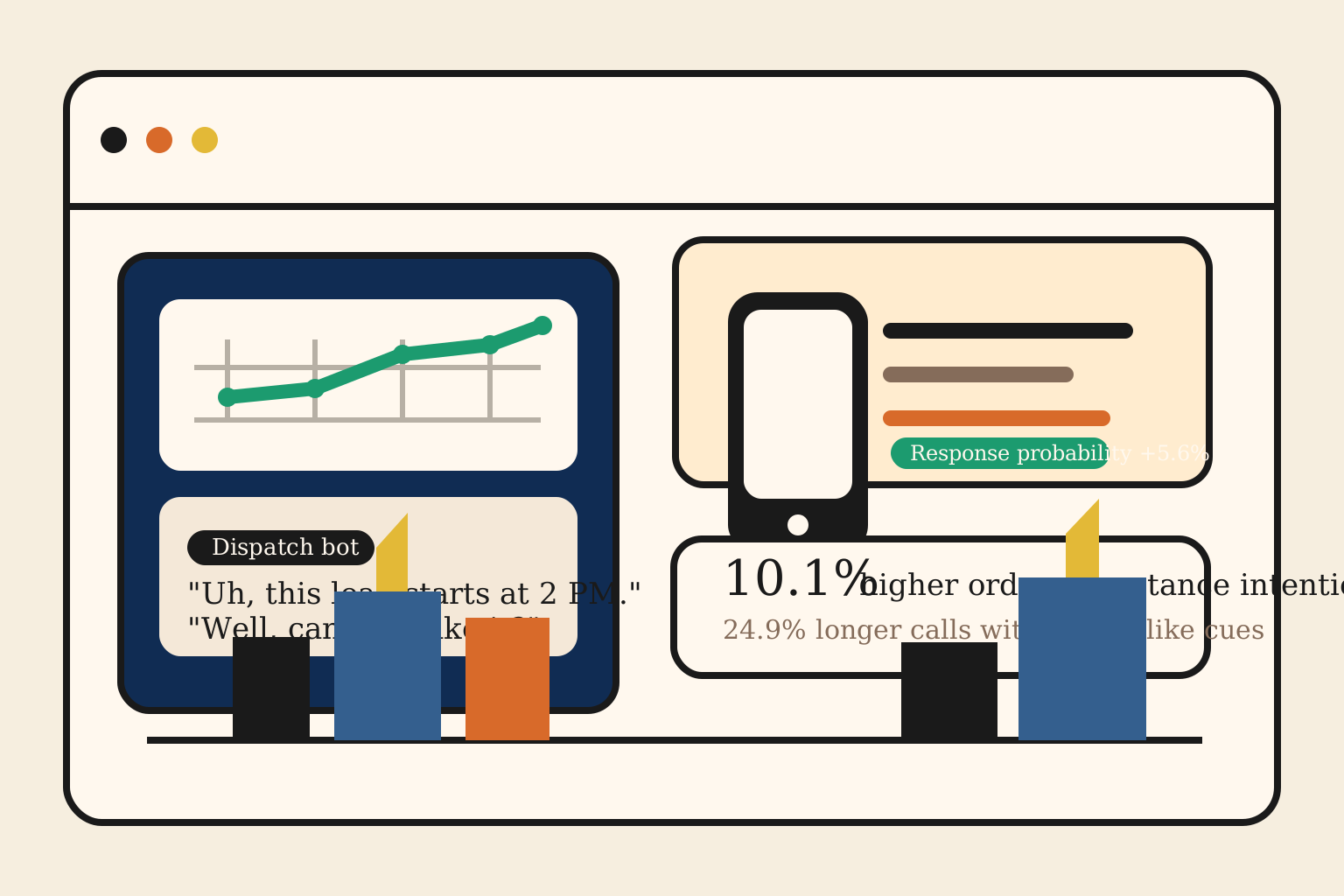
The cleanest negative result was that bot disclosure alone hurt performance: response probability fell by around 11%. The positive result was that humanizing the bot improved the call on several operational measures. Response probability increased by more than 5.6%, conversation length increased by 24.9%, and the probability of order-acceptance intention increased by 10.1%. The paper also reports that these anthropomorphic features still improved outcomes even when the bot's identity was disclosed, which is the most useful practical finding because it suggests transparent automation does not have to sound cold to work.
What this could change for you
If you run dispatch, scheduling, service outreach, or another workflow built around repetitive outbound calls, the lesson is concrete: interaction design can matter as much as model capability. A bot that merely reads the same script faster is not necessarily a better operational tool. Small conversational cues can change whether a worker stays on the line long enough to hear the task and decide.
The broader work implication is about where AI is most believable. This system did not plan routes, negotiate pay, or replace human operations managers. It handled a narrow communication bottleneck: starting the conversation, keeping it going, and making the next step easier. That is a much more defensible use case than saying AI solved dispatching or logistics in general.
For people downstream of freight operations, the benefit is indirect but real. When a platform reaches drivers more reliably, fewer loads stall in the first contact step. That can mean less idle time, fewer missed opportunities, and smoother coordination across shippers, brokers, and drivers. The paper does not prove better delivery times for end customers, but it does show one place where conversational design can reduce friction in the transportation stack.
From research to everyday use
Can you use this yet?
This brief establishes a result in the study’s setting. A consumer-ready version has not been verified here. Applying the finding elsewhere would require access to the relevant tools or data and testing under those conditions.
Check the study’s limitsWhat it does not prove
This was one platform, one country, and one kind of task. The drivers were receiving outbound calls from a freight-dispatch chatbot, not dealing with a medical line, a bank, or a customer-service bot. The result may depend on the language, the market, the type of workers being contacted, and the norms around freight assignments on that specific platform.
The measured outcomes were operational but still intermediate. The paper reports response probability, conversation length, and order-acceptance intention. It does not establish that the same design increased completed trips, driver earnings, platform profits, retention, safety, or on-time delivery performance.
The anthropomorphism treatment was also bundled. Interjections and filler words were changed together, and the proposed trust mechanism is supported indirectly by greater information disclosure rather than by a single decisive causal test. The study shows that a more human-sounding bot worked better here. It does not prove that every human-like cue will help, or that undisclosed bots are the right ethical or regulatory answer.
Primary research
Identity Disclosure and Anthropomorphism in Voice Chatbot Design: A Field Experiment
Management Science · 2026 · DOI 10.1287/mnsc.2022.03833