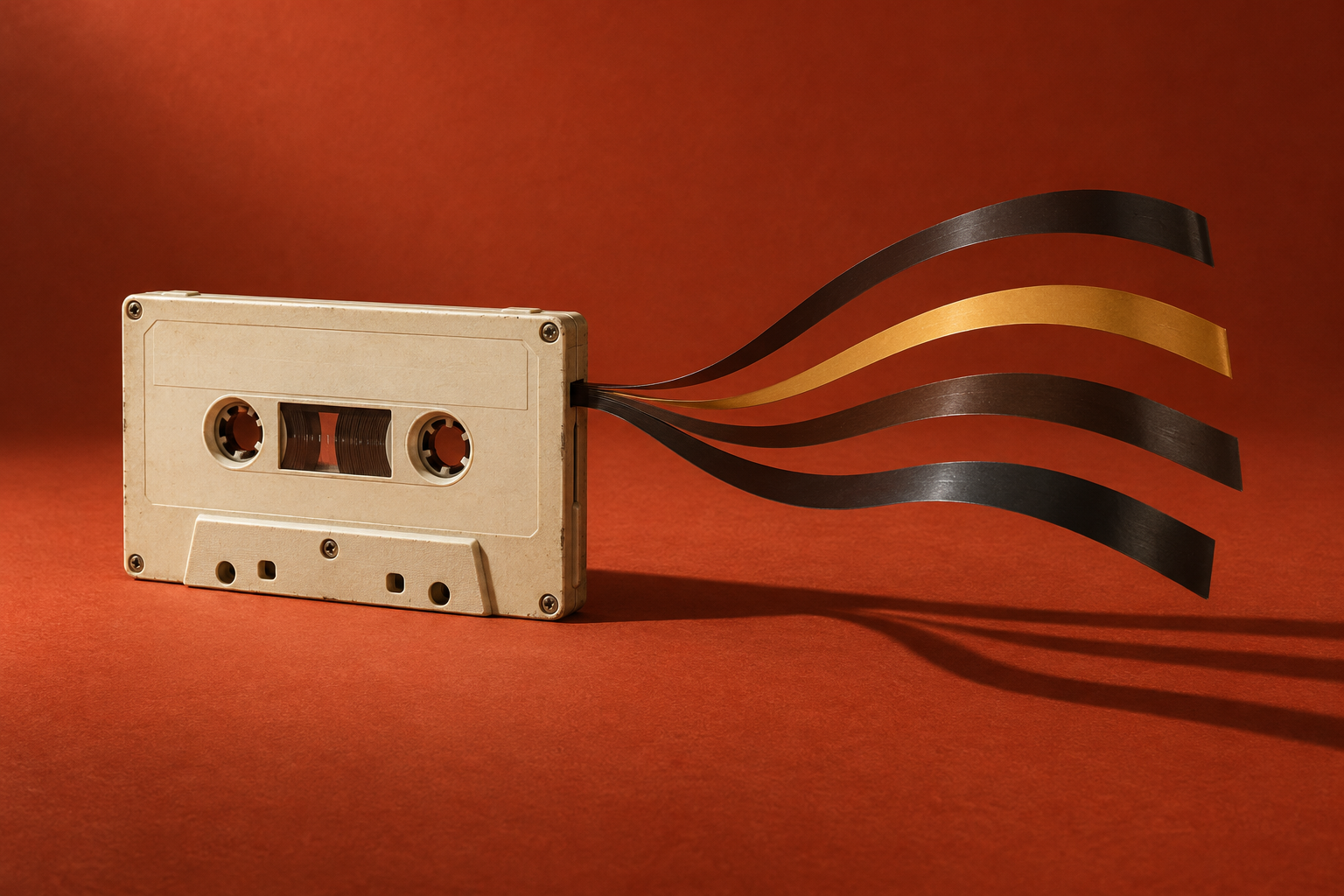
AI Solved Separating Mixed Sound for Editing.
Adobe Premiere’s Enhance Audio beta separates mixed recordings into editable sound layers. See the local and cloud options, credits and limits.
Product updateSee what changed →
Jobs, tools & money · Topic hub
AI that could change how people do their jobs, make decisions, build products, manage risk, or spend time and money.
The useful question
What we watch for
Briefs in this topic
Adobe Premiere’s Enhance Audio beta separates mixed recordings into editable sound layers. See the local and cloud options, credits and limits.
Premiere’s Soundscape beta generates editable ambience and effects from a short scene. See the 15-second scope, cloud processing and credit limits.
Sheets canvas builds custom views that update the source spreadsheet. Check eligible plans, desktop access, one-tab limits and editing permissions.
Premiere’s Separate Crosstalk beta splits two overlapping voices into editable tracks. Check credit costs, cloud processing and Illinois/Texas restrictions.
DeepL now offers voice matching in translated meetings. See who needs a license, which computers work, and what the feature does not establish.
An evergreen guide to the background-blur controls in Teams Free for desktop. Check your preview and device support; blur is not a privacy guarantee.
An evergreen guide to extracting text with Google Lens in Google Photos. Copy a short passage, check it against the image, and keep the source.
An evergreen guide to Adobe Enhance Speech: check access, compare one short recording, and keep the original. Results depend on the source audio.
Google’s September voice update brings structured notes to Keep. See who gets access and try a small capture-and-check exercise.
Turn your own materials into practice questions, with a clear distinction between existing study tools and Google’s new staged rollout.
A randomized study of 7,137 workers found Copilot access cut Outlook time by 1.4 hours a week. Read the results, practical uses, and limits.
A randomized study of 1,352 chatbot misunderstandings tested collaborative repair. Read how it affected recovery, abandonment, and feedback.
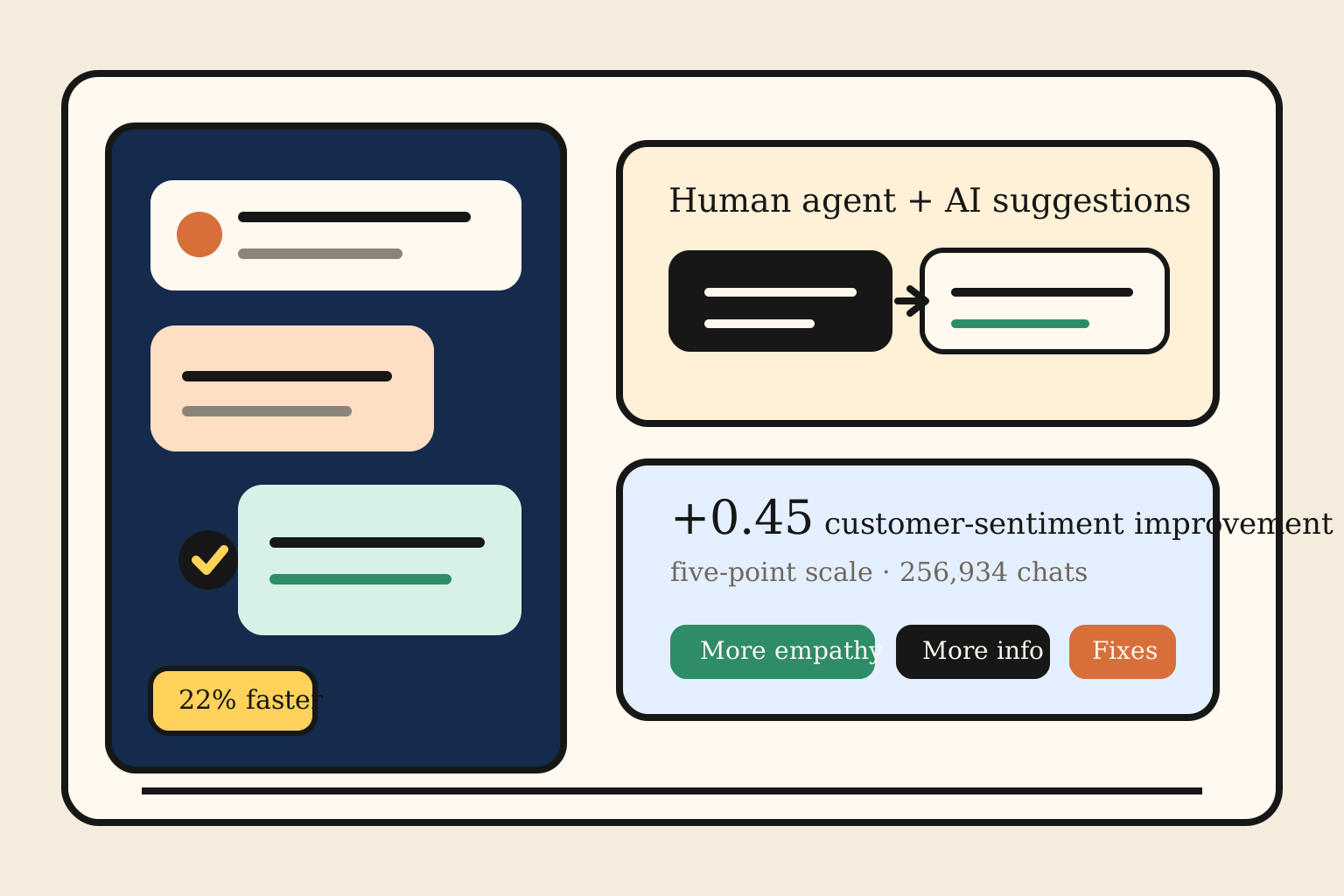
A randomized meal-delivery study covering 256,934 chats found faster replies and better customer sentiment with AI suggestions. Read the limits.
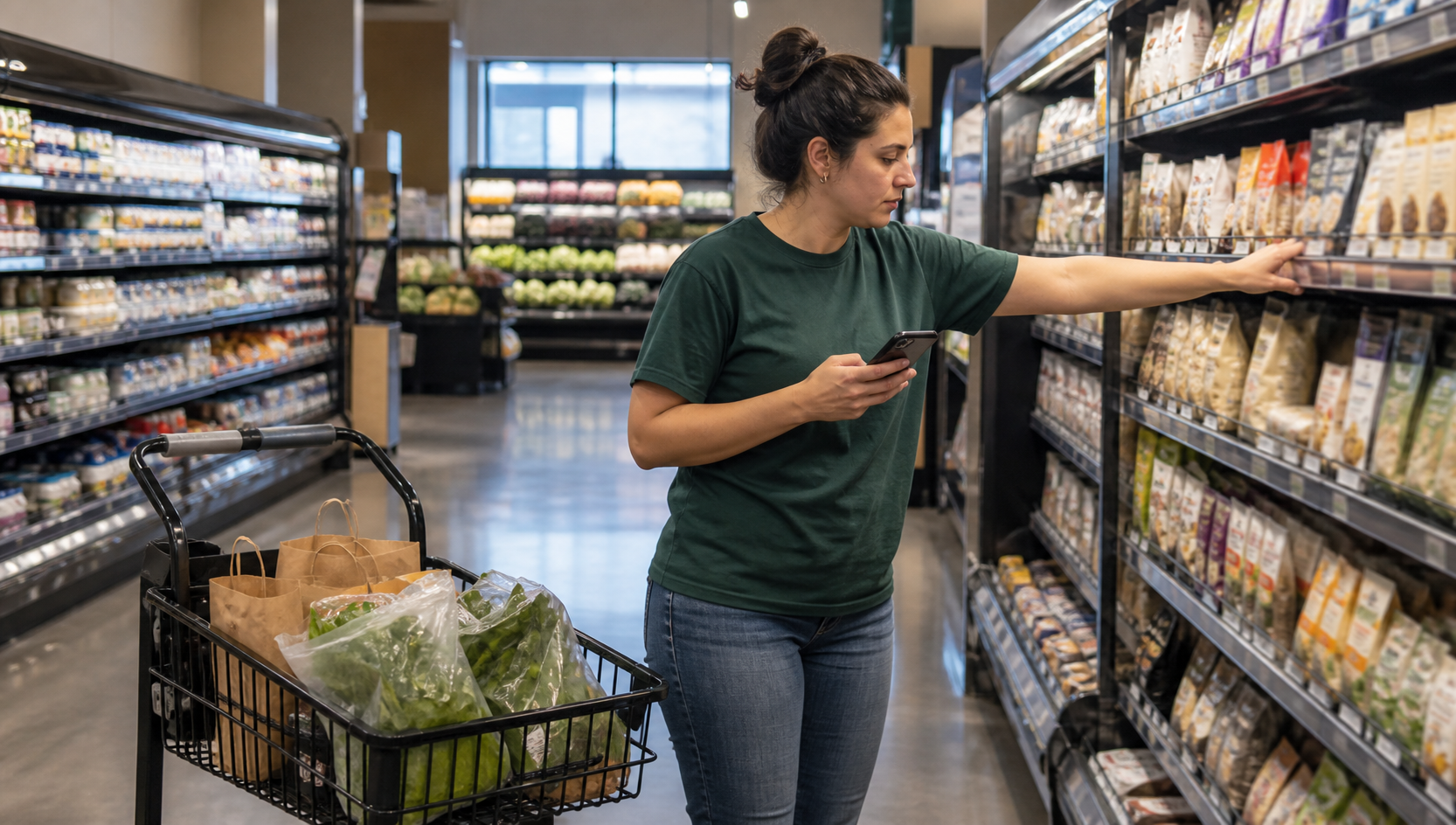
A randomized study of 139,045 Instacart batches found faster grocery picking and fewer refunds. See the measured gains and their limits.
Across 8,966 customer-service chats, disclosing human help behind a bot increased staff workload. What the experiment found and what it means.
Three randomized company experiments involving 4,867 developers found more completed tasks with AI assistance. Read the results and limitations.
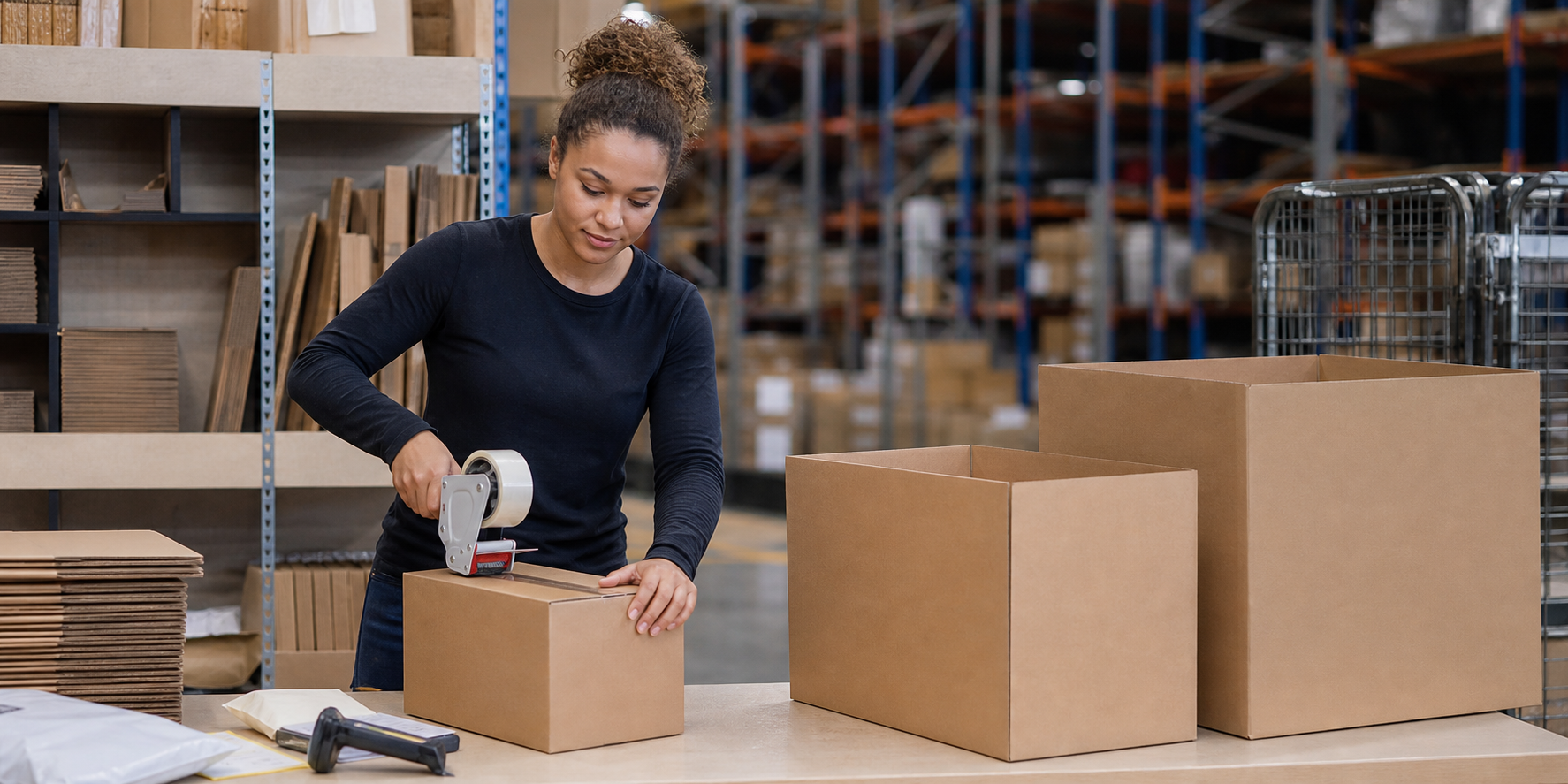
An Alibaba warehouse experiment reduced switches to oversized boxes and cut packing time. What the human-centered algorithm changed.
A randomized e-commerce experiment found AI support increased human agents' sales, with larger gains for inexperienced agents. Explore the limits.
A study of 2,234 participants found human-AI teams made more ads and better text, while human teams chose better images. Read the evidence.
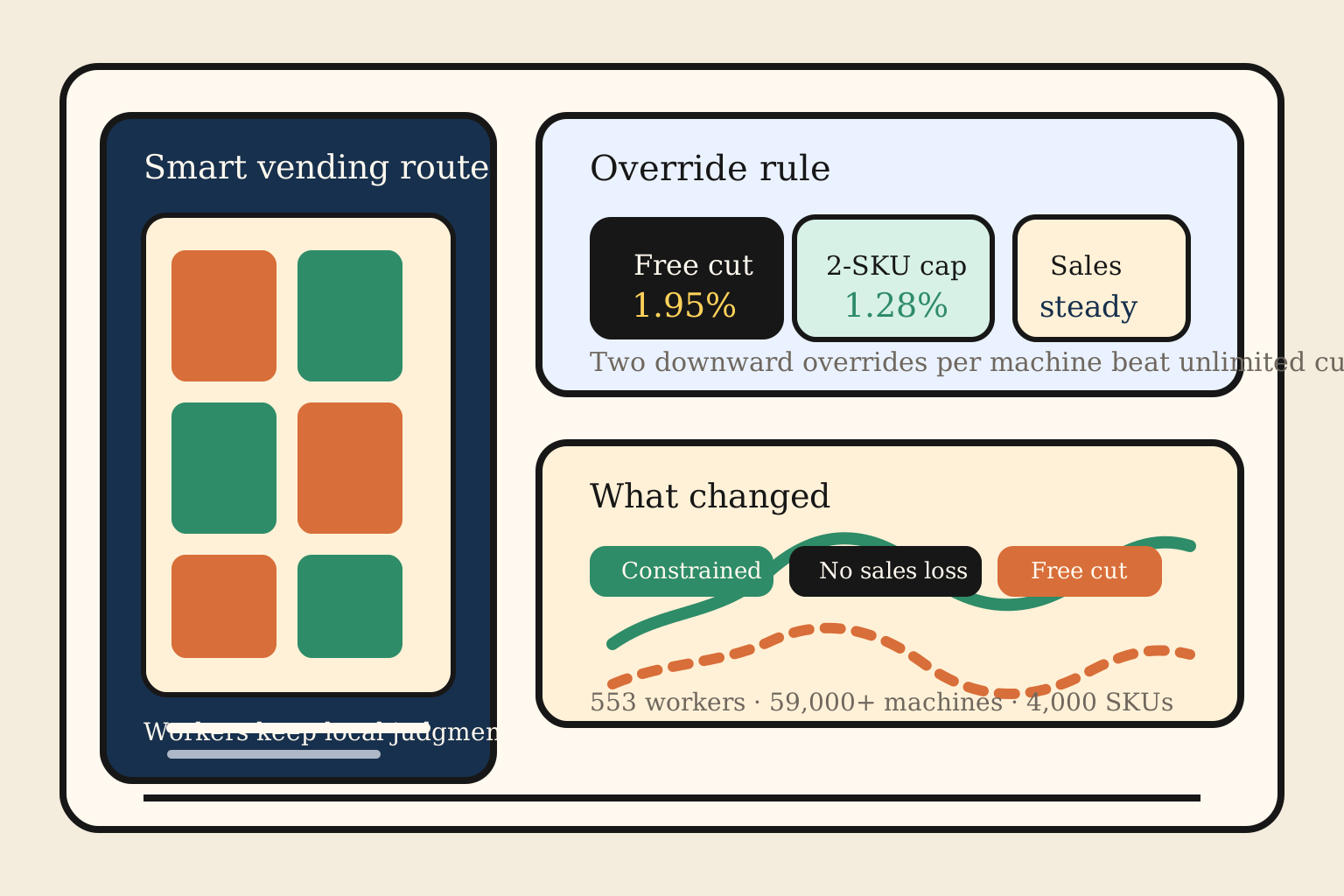
A vending-machine field experiment compared restricted and unrestricted forecast overrides. Read the tradeoff between lower inventory and sales.
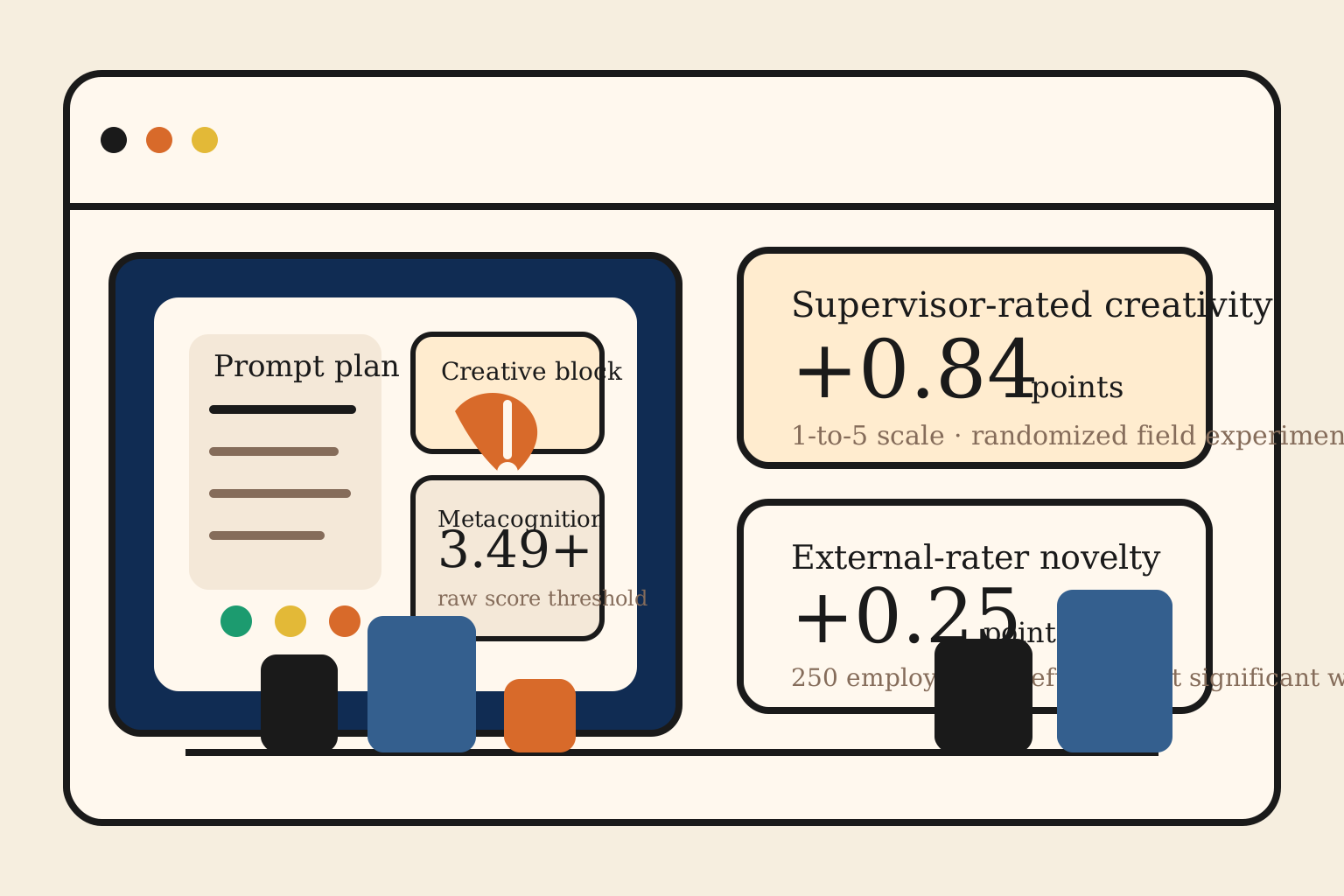
A randomized study found ChatGPT improved creativity ratings, especially for workers with stronger metacognitive strategies. Read the findings.
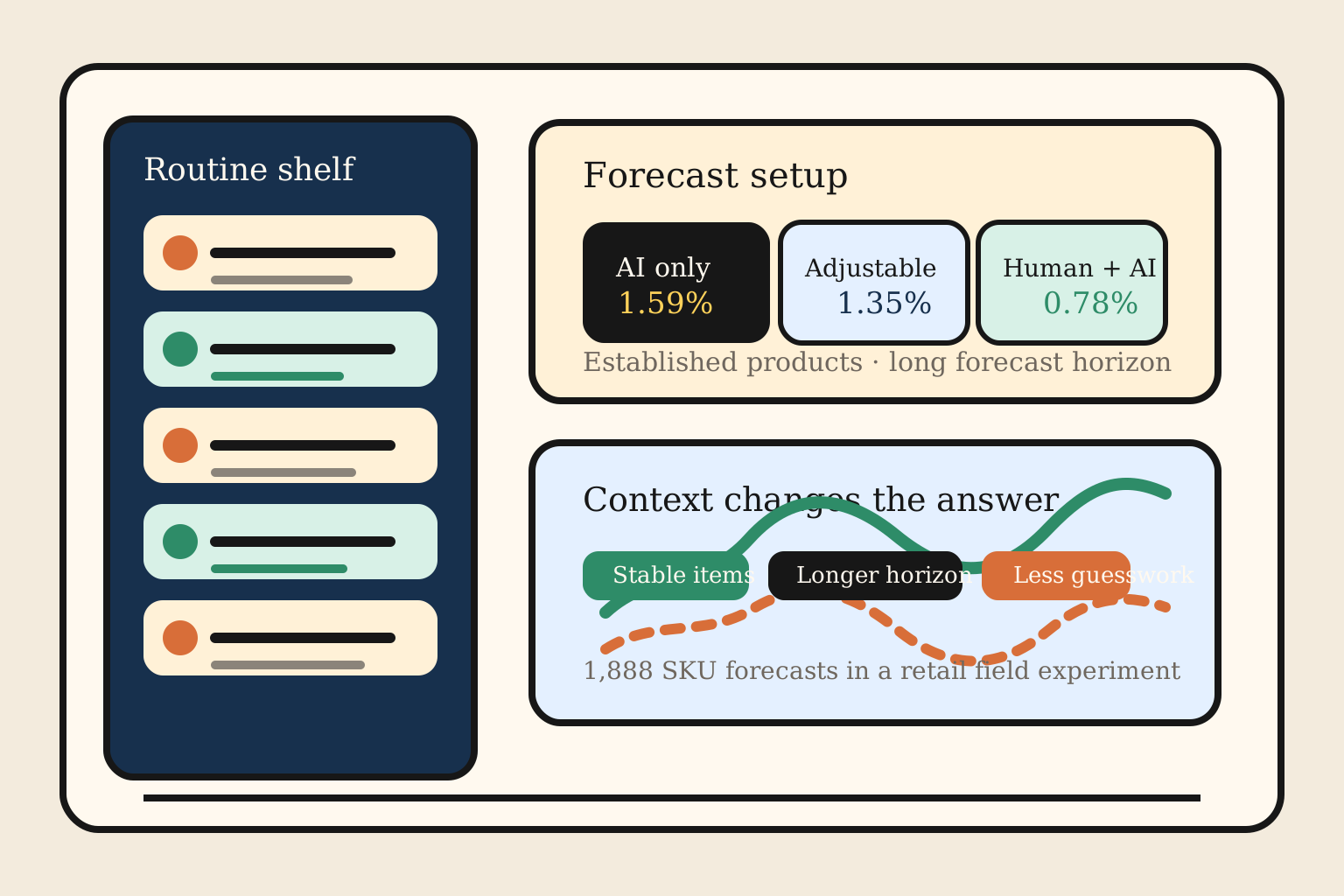
A retail field experiment found different roles for automated AI and human judgment across products and forecast horizons. Read the measured results.
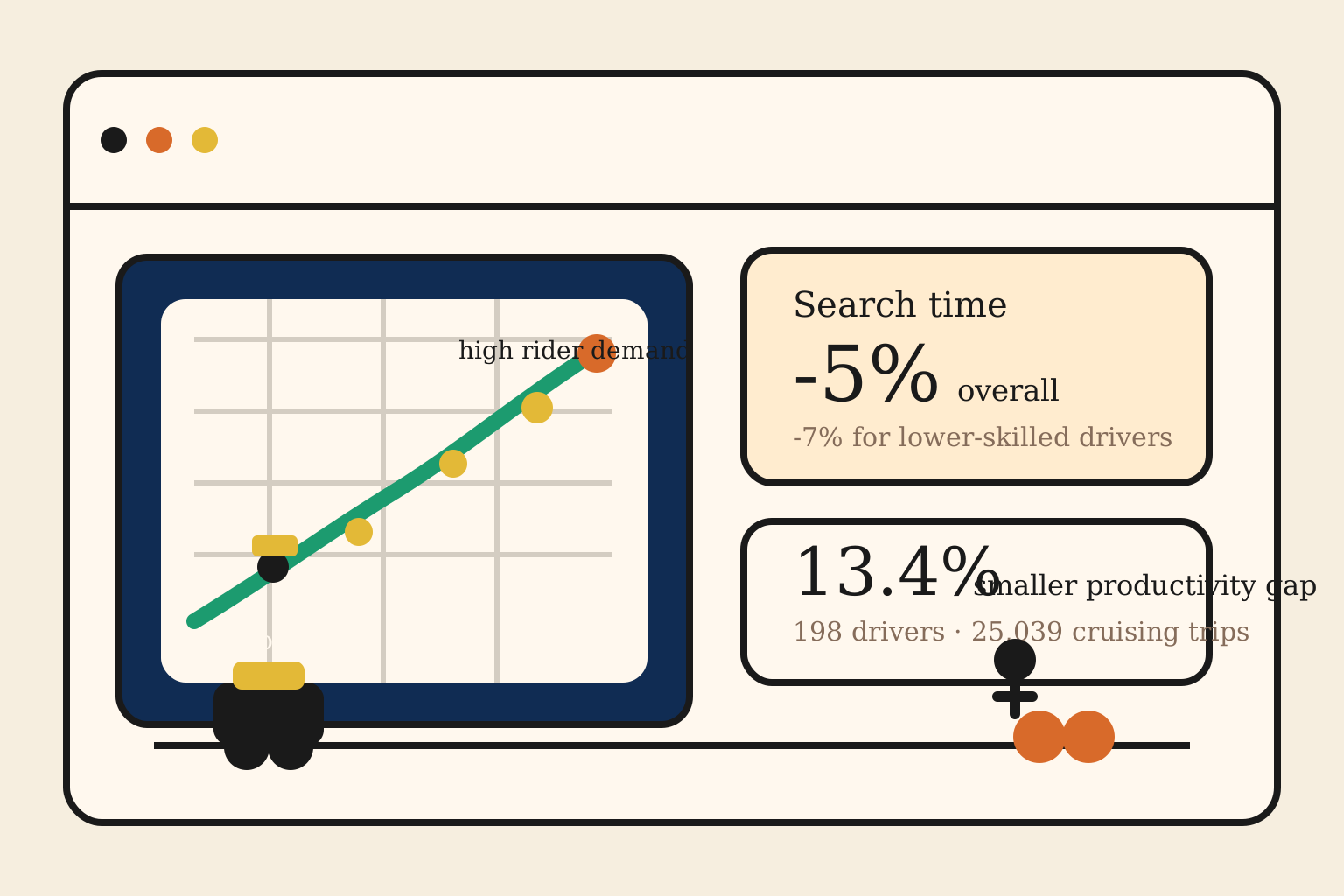
A Yokohama taxi study found machine-learning suggestions reduced customer-search time, with larger gains for lower-skilled drivers. Read the evidence.
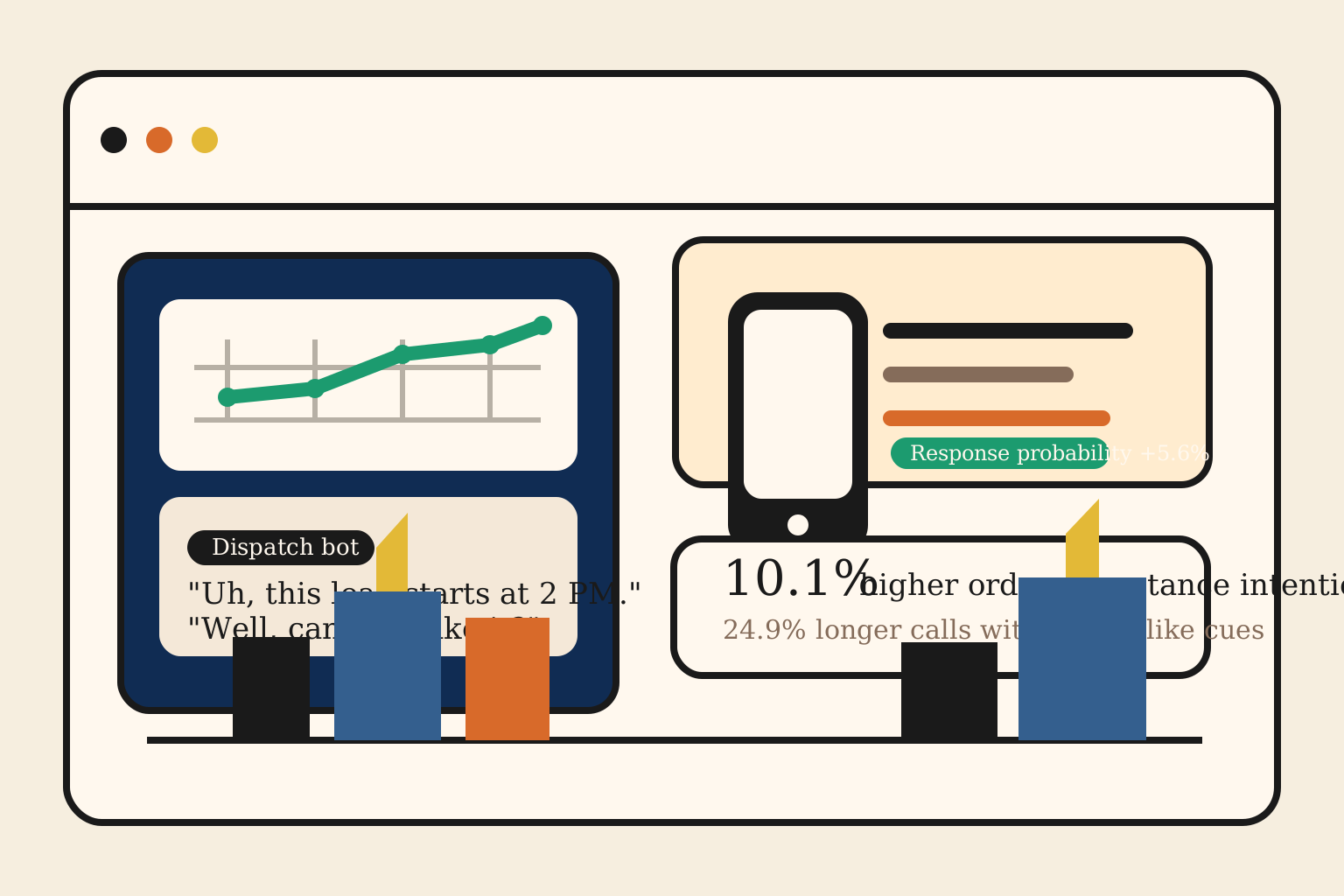
A truck-sharing experiment tested conversational speech and bot disclosure. See how they affected driver responses and order-acceptance intentions.
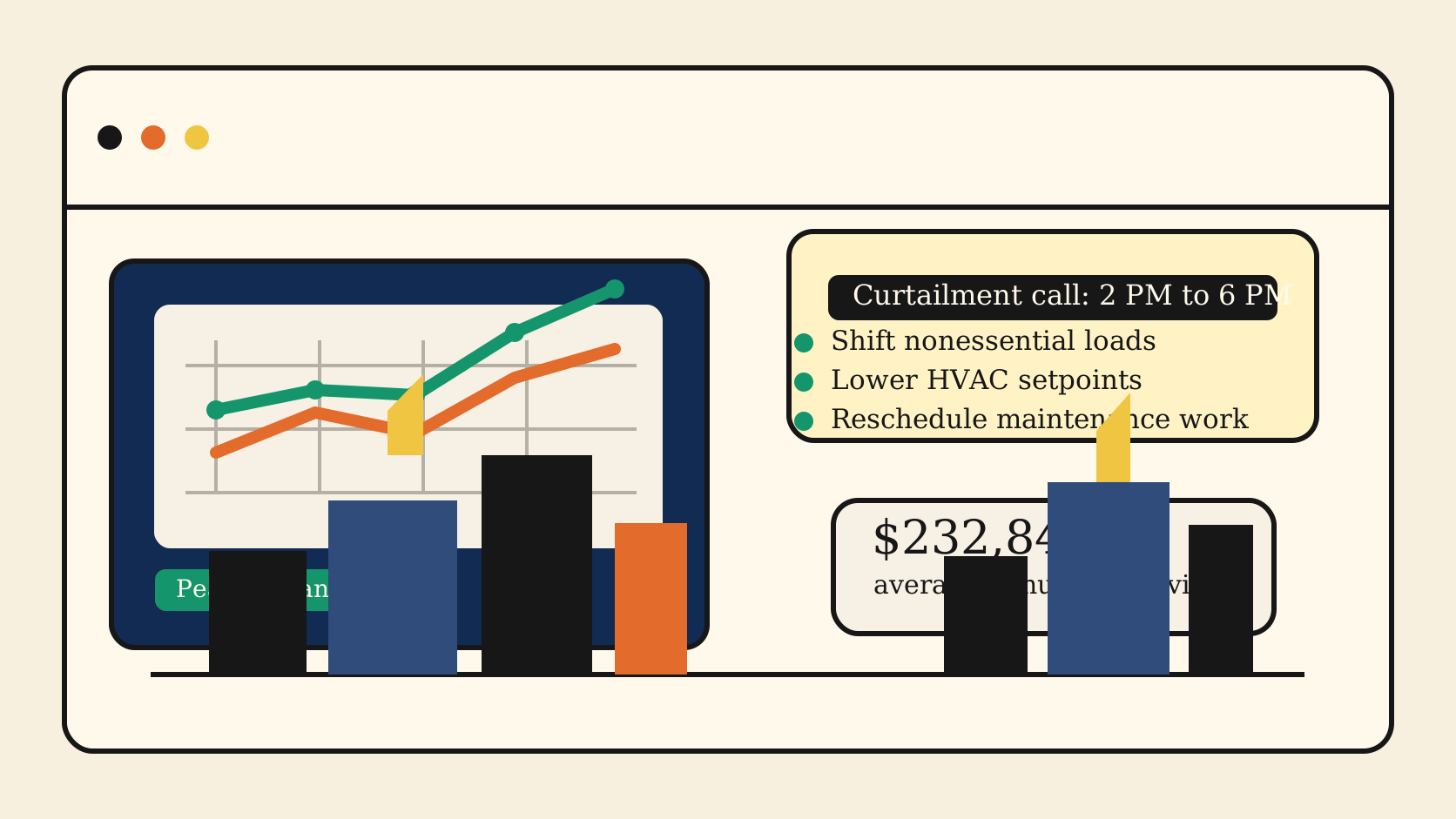
An Ontario study combined neural-network forecasting with planning prompts to reduce peak-hour energy use. Read the savings and study limitations.
Randomized trials at Microsoft, Accenture, and a manufacturer tested GitHub Copilot. Read the completed-task gains and who benefited most.
A staggered rollout found higher issues resolved per hour with AI assistance, especially among newer agents. Explore the study design and limits.
A field experiment with 791 P&G professionals tested AI on product-development tasks. See how solo workers compared with two-person teams.
A randomized experiment with 758 consultants found faster, higher-quality work on suitable tasks and worse accuracy on another. Read the boundary.
A long-running pharmaceutical-sales experiment tested AI workflows adapted to cognitive styles. See why tailored and untailored rollouts differed.
A preregistered study of 269 workers compared AI writing workflows. Read what drafting first meant for confidence, connection, and purpose.
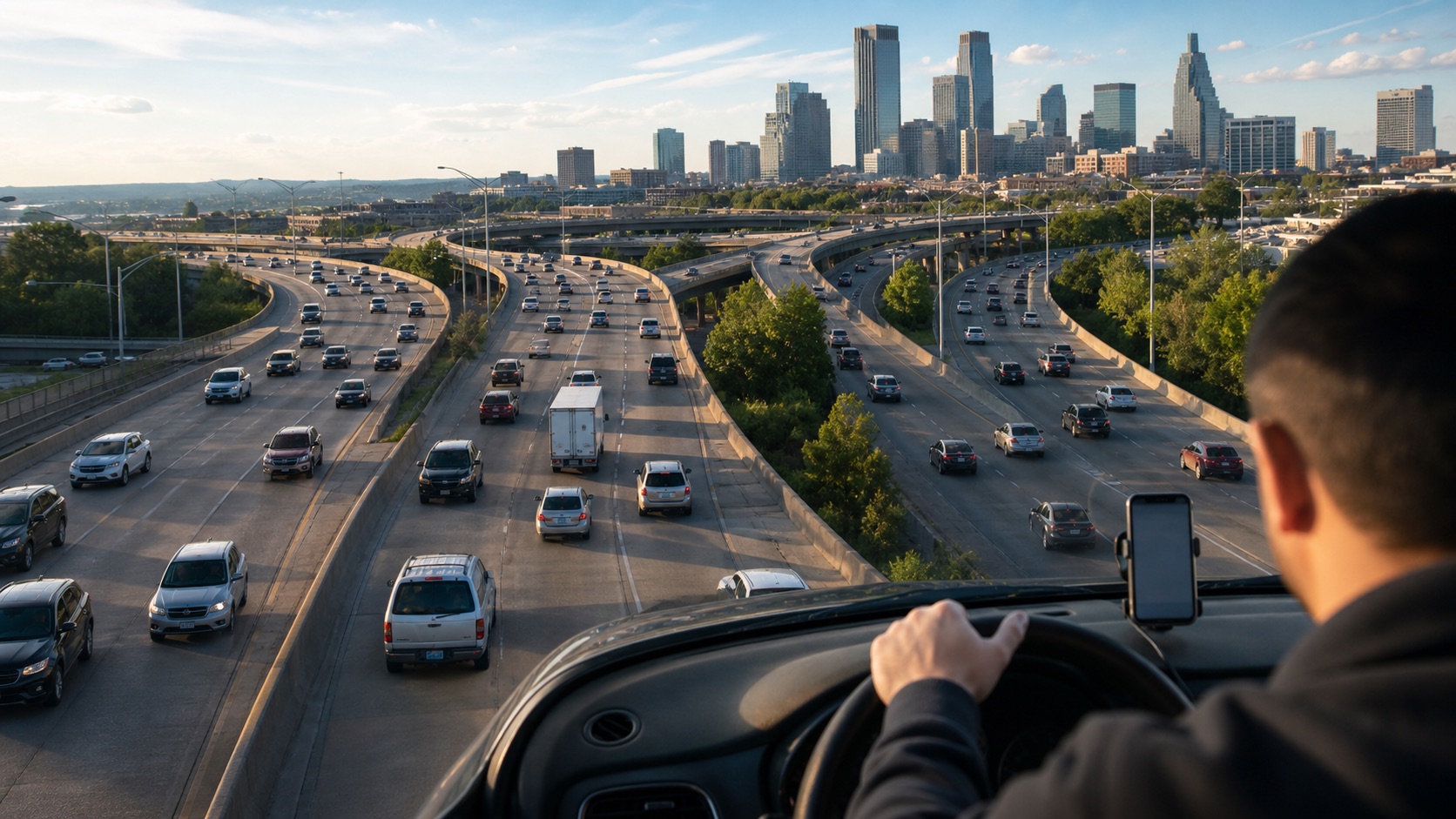
A six-month experiment across 10 U.S. cities changed a small share of route recommendations. Read the travel-time results and their scale.
A deep-learning system used early charge patterns to predict battery lifespan across types and conditions. Read the research and practical limits.
A global AI forecasting study tested earlier flood warnings in ungauged watersheds. Learn what improved and where uncertainty remains.
GraphCast outperformed a leading conventional model on most tested measures. Read the forecasting results and what they mean for everyday weather.
A real-world customer-support rollout found the largest gains among newer workers using AI suggestions. Read the evidence and its limits.
A small randomized flight test used AI-informed altitude changes and found fewer detectable contrails. Read the result and its limitations.
AlphaFold offers predicted structures for more than 214 million protein sequences. Learn how researchers use them and why predictions have limits.